Learn & Build
The reading, projects and plain-English answers that turn a nervous beginner into a confident one — plus the difference between woodworking and everything it's confused with.
Buying the right tools is only half of starting out. The other half is knowing what to dowith them — and, just as importantly, understanding the material you are cutting. Wood is not plastic or metal. It moves with the seasons, splits along its grain, and behaves differently depending on the species and how it was cut. Most beginner projects that fail do not fail because of a missing tool; they fail because nobody explained how wood actually works. This hub is where we fix that.
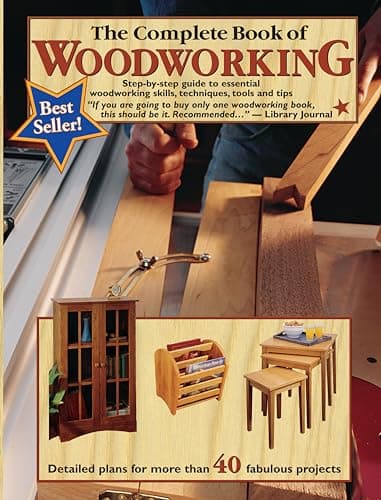
The fastest way to level up is still a good book. A well-organized beginner book teaches more than a hundred scattered videos, because it puts the fundamentals in order and lets you flip back to the exact joint you are stuck on. Our best woodworking books for beginners guide names the single best all-in-one reference, the classic that explains wood movement, and the one that will happily talk you out of buying too many tools.
Then you need something to build. The right first projects are small, finishable, and chosen to teach one skill at a time — not an ambitious dining table that dies half-built in the corner. Our beginner woodworking projects guide lays out five honest starts, easiest first, each with the exact tools it needs so you build skills instead of buying gadgets. Finish a cutting board, then a shelf, then a small box, and you will learn more than you would agonizing over the perfect tool.
We also answer the plain-English questions beginners are almost embarrassed to ask — starting with the big one: what is the difference between woodworking and carpentry? They share tools but do very different work, and knowing which one you are actually trying to learn shapes everything you buy. Our woodworking vs carpentry breakdown sorts it out in plain language.
Two more questions come up constantly, so they have their own pages here. If you are not sure whether you want to build things or sculpt them, our woodworking vs wood carving comparison sorts out which set of tools you actually want. And if the tool aisle feels like picking a team, woodworking tool brands explained covers which makers are strong at what and where the name on the box stops mattering. If a term on any page has you stuck, the workshop tools glossary defines every tool in a first shop in plain English.
There is a second half to learning woodworking that tool guides skip entirely: the material. Which timber to buy and what each one is like to cut is covered in wood species for beginners, and how to buy lumber at the home center explains why a 2x4 is not two by four and how to spot a board that will warp. Once the parts are cut, wood glue explained covers which glue, how long to clamp and why squeeze-out ruins more first projects than bad joinery does, the best wood glue names the one bottle to buy and the two specialists worth adding later, the best wood screws does the same for the other half of most joints — two boxes, the pilot-hole sizes and the length arithmetic — and the best wood finishes for beginners names the one to open first. If you are working from someone else’s drawing, how to read woodworking plans decodes cut lists, section marks and the dimensions that are quietly lying to you.
Two ideas underpin everything else in this hub, and both have their own page. The first is joinery: wood joints explained walks the ten joints a beginner actually meets — what each one is for, what cuts it, how strong it really is, and the four worth learning first. The second is movement: wood movement explained covers why a tabletop that fitted perfectly in July splits in February, and the handful of building rules — floating panels, slotted screw holes, no cross-grain glue — that stop it happening to yours. Between them they account for most of the reasons a first project fails.
Three process guides here cover the work that happens between the cut list and the finish, and they are the ones beginners most often discover they needed after the fact. How to square up a board is the four-square sequence that turns a bowed board into a usable one, without a jointer. How to glue up a panelcovers joining narrow boards into a wide one — the joint behind every table top and cabinet side. And common beginner woodworking mistakes is the honest list of what goes wrong and why, which is worth reading before rather than after.
On the building side, two pages answer the question people actually type. What tools do you need to build a bookshelf? is four tools and a span rule, for the project most people build first; and the best tools for building furniture is the six that take you from shelving to something somebody sits at. If a word on either page stops you, the woodworking terms glossary defines it, and woodworking vs metalworking is there for anyone still deciding which workshop hobby they are actually starting.
Four more project and material pages round that out. The best tools for building cabinets is the sheet-goods version of the furniture list — a different gating tool and a different screw — and the best tools for making picture frames is the small project that punishes an inaccurate cut more than any other. On materials, MDF vs plywood settles the sheet-goods question project by project, and Danish oil vs polyurethane settles the finishing one.
And two repair pages, because everyone needs them in their first month: how to fill gaps in wood joints covers which fills disappear and when filling is the wrong answer, and how to remove a stripped screw from wood works through six ways out, starting with the ones that need no special tool. The two cans those repairs need are ranked in the best wood filler for woodworking — which also explains why filler and putty are not the same product — and if the piece is getting color rather than a clear finish, the best wood stain for furniture covers the conditioner step that decides whether pine blotches.
Above all, this hub exists to make you feel capable rather than intimidated. You are smart; you are just new. Every term gets a plain definition the first time it appears, every recommendation comes with the honest reason behind it, and nothing here assumes you already know the jargon. Read a little, build a little, and let the confidence come from finished projects rather than a fuller toolbox. Start with a guide below.
Everything in Learn
Best Woodworking Books for Beginners
Five books that teach more than a hundred videos — the best all-in-one reference, the wood-science classic, and the one that talks you out of buying too much.
Our top pick
Landauer The Complete Book of Woodworking
How to Learn Woodworking on Your Own
No class, no teacher, no shop. The five skills to learn in order, how to practise so you improve, and where books still beat video.
Beginner Woodworking Projects (and the Tools They Need)
Five honest first projects, ranked by difficulty, each with the exact tools it needs — so you build skills instead of buying gadgets.
Woodworking vs Carpentry: What's the Difference?
They use overlapping tools for very different work. A plain-English breakdown, and which one you're actually trying to learn.
Woodworking Tool Brands Explained
DeWalt, Makita, Bosch, Ryobi, Narex, Irwin — who actually makes what, which brands share a parent, and where the name stops meaning anything.
Woodworking vs Wood Carving: What's the Difference?
Both shape wood with sharp steel, and almost nothing else about them is the same. Which one you actually want, and the tools each needs.
Workshop Tools and Their Uses: A Beginner's Glossary
Every tool in a first woodworking shop, in plain English: what it is, what it actually does, and whether a beginner needs it yet.
Best Wood Finishes for Beginners
Finishing is where good projects go wrong. Five finishes compared on how forgiving they are, how much protection they give, and which to open first.
Our top pick
Watco A65741 Danish Oil Wood Finish, Natural, Quart
Wood Species for Beginners
Pine, poplar, oak, maple, walnut and plywood — what each is like to cut, what it costs, and which to build your first three projects from.
Wood Glue Explained
PVA, polyurethane, epoxy, hide glue — which one a beginner needs, how long to clamp, and why your joint is already stronger than the wood.
How to Buy Lumber at the Home Center
Why a 2x4 isn't two by four, how to spot a board that will warp, and the twenty-minute routine that gets you straight wood at commodity prices.
How to Read Woodworking Plans
Cut lists, exploded views, section marks and the dimensions that are lying to you — how to read a plan properly before the first cut.
Wood Joints Explained
The ten joints a beginner actually meets — what each is for, what cuts it, how strong it really is, and the four worth learning first.
How to Attach a Tabletop to a Base
A solid top screwed down tight will crack itself in half within a year. Five ways to hold a top down while still letting it move.
Wood Movement Explained
Why a tabletop that fitted perfectly in July splits in February — and the building rules that stop it happening to yours.
Woodworking Terms Glossary
Sixty words that plans, videos and lumberyards use without explaining - from four-square and figure to snipe, sled and stock, in plain English.
Plywood vs Solid Wood
Which to build from, why plywood does not move and solid wood does, and how to choose without paying for the wrong one twice.
Woodworking vs Metalworking
Two workshop crafts compared on cost, space, noise, safety and how long before you build something good - plus what welding adds to a wood shop.
How to Sand Wood Properly
Which grit to start at, when to stop, why your finish shows swirl marks, and the two steps almost every beginner skips before the first coat.
How to Apply a Wood Finish
Wipe-on, brush or oil - the method that gets a beginner a good finish first time, plus dust, temperature, recoat times and rag disposal.
Common Beginner Woodworking Mistakes
Fifteen mistakes that cost beginners money and projects - why each one happens, how to spot it early, and the habit that prevents it.
How to Make a Cutting Board
The classic first project, start to finish: choosing boards, the glue-up, flattening without a planer, and a food-safe finish that lasts.
Joinery vs Fastening for Beginners
Cut joints or screws and glue? The honest strength numbers, what each route costs a beginner in tools and practice, and which project takes which.
Best Tools for Building Furniture
The jump from shelves to furniture needs six tools, not sixty — what each one does that the shelf kit couldn't, and the order to add them.
Our top pick
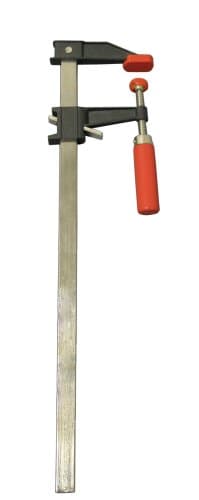
Bessey GSCC2.536 Clutch-Style Bar Clamp, 36 in
$21.99 · View on AmazonPrice as of October 21, 2026. #ad How we’re funded
What Tools Do You Need to Build a Bookshelf?
The honest answer is four tools, and you may already own two. What each one is for, what a fifth buys you, and the shelf-sag rule nobody mentions.
How to Square Up a Board
Face, edge, width, length — the four-square sequence that turns a bowed board into a usable one, by hand, with a circular saw, or with a planer.
How to Glue Up a Panel
Turning narrow boards into a wide one: how to match the edges, how much clamp pressure is right, and why most beginner glue-ups fail flatness, not strength.
Best Wood Glue for Woodworking
Seven bottles compared on open time, water resistance, food safety and the temperature your garage actually is — and the one to buy if you only buy one.
Our top pick
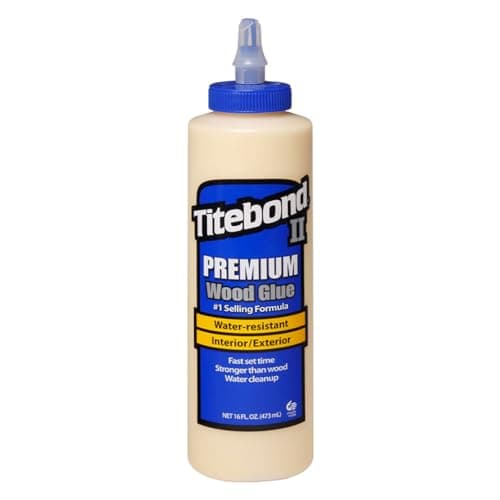
Titebond II Premium Wood Glue, 16 oz (5004)
$7.57 · View on AmazonPrice as of October 21, 2026. #ad How we’re funded
Best Wood Screws for Woodworking
Eight boxes compared on drive type, thread, length and coating — plus the pilot-hole sizes and the screw-length arithmetic, taken from the US Forest Service's own handbook.
Our top pick
GRK R4 #8 x 2 in Multi-Purpose Framing Screws, 100 count
Best Tools for Refinishing Old Furniture
Most people start woodworking by rescuing something, not building it. Six picks for stripping, sanding and re-coating a piece without sanding through the veneer.
Our top pick
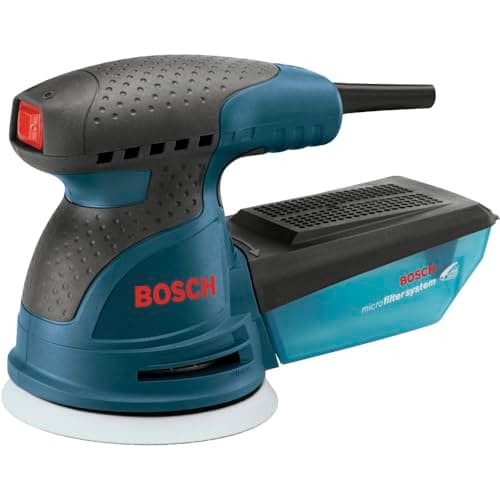
Bosch ROS20VSC 5 in Random Orbit Sander
$99.00 · View on AmazonPrice as of October 21, 2026. #ad How we’re funded
How to Build Outdoor Furniture That Lasts
Rain is not the problem — repeated wetting and drying is. The glue, the screws, the joints and the one design rule that decides whether a bench survives five winters.
Best Tools for Building a Workbench
A bench is the first project where being out of square shows in everything you make afterwards. The six tools that get you from a pile of 2x4s to a dead-flat top.
Our top pick
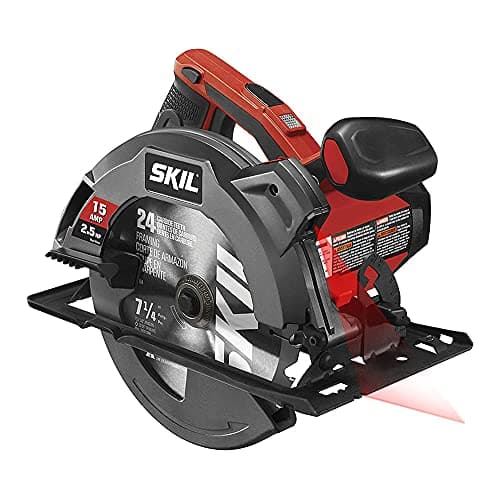
Skil 5280-01 15-Amp 7-1/4 in Circular Saw
Best Tools for Building Cabinets
Cabinets are boxes, and a box is only as good as its squareness. The six tools that get you from a sheet of plywood to a carcass that sits flat.
Our top pick
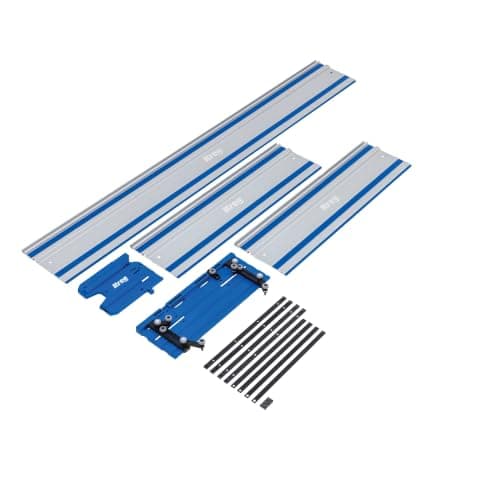
Kreg Accu-Cut XL Circular Saw Guide (KMA3700)
$196.90 · View on AmazonPrice as of October 21, 2026. #ad How we’re funded
Danish Oil vs Polyurethane
One soaks in and looks superb, the other builds a film and survives a wet glass. Which belongs on your first project — and the wipe-on finish that is quietly both.
Our top pick
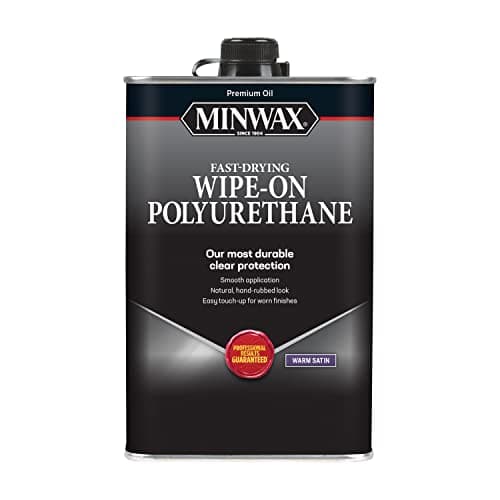
Minwax Oil-Based Wipe-On Polyurethane, Satin, 1 Pint
Best Tools for Making Picture Frames
A frame is four boards and eight cuts, and every cut has to be right. The six tools that close a corner tight, and the two tricks that replace a frame clamp.
Our top pick
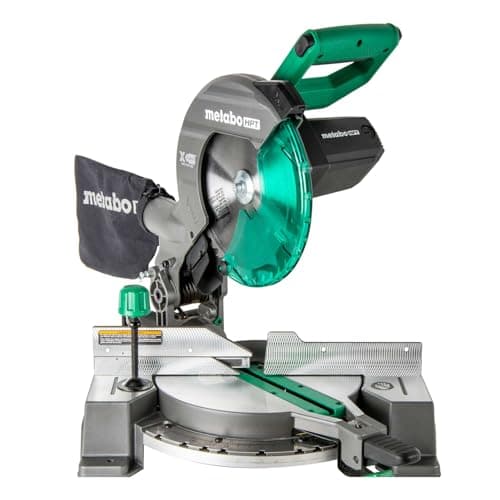
Metabo HPT C10FCG2 10 in Single-Bevel Compound Miter Saw
MDF vs Plywood
Strength, weight, screw holding, edges, dust and cost — which sheet good belongs in a cabinet, a shelf, a jig or a workbench top.
How to Fill Gaps in Wood Joints
Why the gap appeared, which fills are invisible and which ones shout, and the four cases where filling is the wrong answer entirely.
How to Remove a Stripped Screw from Wood
Six ways to get a stripped or broken screw out of wood, in the order you should try them — and the four habits that stop it happening again.
Best Wood Stain for Furniture
Eight cans compared on what decides a first stained project — blotch control on pine, how long you get to wipe it back, and the hours until you can topcoat.
Our top pick
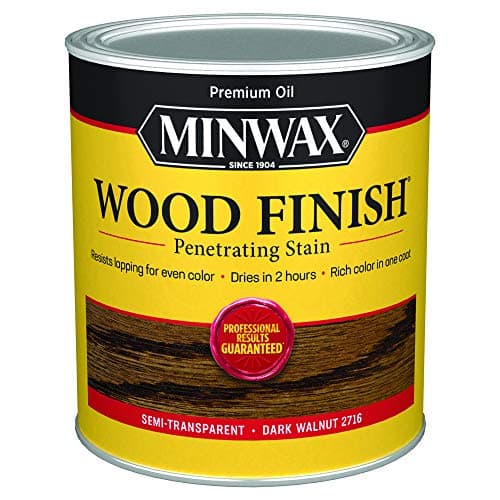
Minwax Wood Finish Oil-Based Penetrating Stain, 1 Quart (Dark Walnut)
$13.88 · View on AmazonPrice as of October 21, 2026. #ad How we’re funded
Best Wood Filler for Woodworking
Nine products for the gap in front of you — will it shrink, will it take stain, and is it going in before the finish or after it? Filler, putty and CA glue are not the same thing.
Our top pick
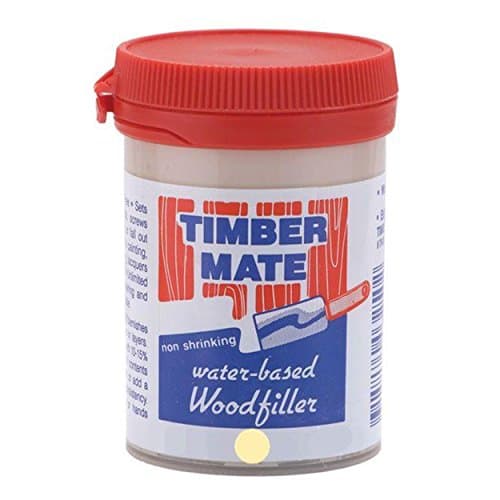
Timbermate Hardwood Wood Filler, 8 oz (Maple/Beech/Pine)
$19.59 · View on AmazonPrice as of October 21, 2026. #ad How we’re funded