Five books that teach more than a hundred videos — the best all-in-one reference, the wood-science classic, and the one that talks you out of buying too much.
You can learn a lot of woodworking from videos — but a good book does something a hundred videos can’t: it’s organized, edited, and sits open on the bench so you can flip straight back to the joint you’re stuck on. One well-chosen beginner book will take you further, faster, than an endless scroll of clips that each assume you already know the last one.
Here is the lens we compare on: who it’s written for (does it truly assume zero knowledge?), what it covers (tools, techniques, and actual starter projects vs. one narrow subject), and how it earns its shelf space long-term. The five below range from the one all-in-one book to buy first, to the classic that explains why wood moves, to a short read that will genuinely talk you out of buying too many tools.
How this is funded: we earn a commission if you buy through our links, at no extra cost to you. It never changes which tool we recommend, and we’ll tell you plainly when to skip one. Full disclosure.
Quick picks
Ranked on the specs that matter for a beginner and honest buyer fit. Select a row to jump to the full write-up. We haven’t hands-on-tested these — here is exactly what we do instead.
#
Product
Best for
Price
1
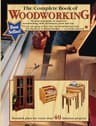
Landauer The Complete Book of Woodworking
The best single reference for an absolute beginner: heavily illustrated, covers tools, techniques and starter projects, and doesn't assume you know anything. If you buy one book, buy this one.
A classic, deeper reference than most beginner books — thorough on wood, tools and joints, with the kind of detail you'll appreciate more as you improve. The one that stays on the shelf for years.
R. Bruce Hoadley Understanding Wood: A Craftsman's Guide
The book that explains why wood moves, splits and behaves the way it does. Not a project book — a deeper understanding of the material itself that separates woodworkers who guess from ones who know.
A hand-tool bible — the clearest explanation of how to actually use planes, saws and chisels to build furniture. If you're drawn to hand-tool woodworking, this is the book people wish they'd read first.
Part tool-buying philosophy, part cult classic. Schwarz argues for a small kit of good hand tools over a garage full of gadgets — a genuinely useful antidote to the beginner urge to buy everything.
The best single reference for an absolute beginner: heavily illustrated, covers tools, techniques and starter projects, and doesn't assume you know anything. If you buy one book, buy this one.
Strengths
+Step-by-step photos aimed squarely at beginners
+Covers tools, joints, techniques and real projects
+Broad enough to grow with you for a year
Trade-offs
−A generalist — specialists will want deeper books later
Type
Reference / technique book
In the set
Single tool
Material / build
—
Key spec
Tools, techniques, beginner projects
Best for
Best all-in-one beginner book
Worth knowing. A good beginner book pays for itself by keeping you from making the expensive mistakes. This one is the most-recommended broad starting reference and is usually inexpensive used.
Specs read from the product listing, on July 24, 2026. “Not listed” means the listing doesn’t state that figure.
#2Best long-term reference
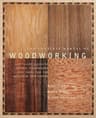
Jackson & Day The Complete Manual of Woodworking
A classic, deeper reference than most beginner books — thorough on wood, tools and joints, with the kind of detail you'll appreciate more as you improve. The one that stays on the shelf for years.
Strengths
+Comprehensive on materials, tools and joinery
+Well-organized as a lasting reference
+Respected across the woodworking community
Trade-offs
−Denser than a pure step-by-step beginner book
−Older edition; some tool recommendations date it
Type
Reference manual
In the set
Single tool
Material / build
—
Key spec
Comprehensive woodworking reference
Best for
The reference you keep long-term
Worth knowing. If the Complete Book of Woodworking is your first read, this is your second — the one you keep reaching for once the basics click and you want to understand the 'why' behind a joint.
Specs read from the product listing, on July 24, 2026. “Not listed” means the listing doesn’t state that figure.
#3Best on wood itself
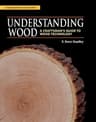
R. Bruce Hoadley Understanding Wood: A Craftsman's Guide
The book that explains why wood moves, splits and behaves the way it does. Not a project book — a deeper understanding of the material itself that separates woodworkers who guess from ones who know.
Strengths
+The definitive plain-language guide to wood as a material
+Explains wood movement — the cause of most beginner failures
+Genuinely changes how you design and build
Trade-offs
−Technical; not a weekend how-to
−No projects — pure knowledge
Type
Wood science reference
In the set
Single tool
Material / build
—
Key spec
Wood movement, structure, behavior
Best for
Understanding the material itself
Worth knowing. Read this once your joints start failing for reasons you don't understand — usually wood movement. It's the single most-cited book for understanding why a tabletop cracks or a drawer sticks in humid weather.
Specs read from the product listing, on July 24, 2026. “Not listed” means the listing doesn’t state that figure.
#4Best for hand tools
Robert Wearing The Essential Woodworker
A hand-tool bible — the clearest explanation of how to actually use planes, saws and chisels to build furniture. If you're drawn to hand-tool woodworking, this is the book people wish they'd read first.
Strengths
+Unmatched on fundamental hand-tool technique
+Teaches the logic of accurate hand joinery
+A genuine desert-island book for hand-tool folks
Trade-offs
−Focused on hand tools — less for the power-tool crowd
−Text-dense with line drawings, not glossy photos
Type
Hand-tool technique book
In the set
Single tool
Material / build
—
Key spec
Hand-tool furniture making
Best for
Best hand-tool technique book
Worth knowing. If the pull saw and chisels are the part of this hobby that excites you, this is the book to get. It teaches the method behind hand-tool accuracy that most modern books skip.
Specs read from the product listing, on July 24, 2026. “Not listed” means the listing doesn’t state that figure.
#5Best philosophy read
Christopher Schwarz The Anarchist's Tool Chest
Part tool-buying philosophy, part cult classic. Schwarz argues for a small kit of good hand tools over a garage full of gadgets — a genuinely useful antidote to the beginner urge to buy everything.
Strengths
+A compelling case for a small, deliberate tool kit
+Opinionated, funny and quotable
+Will save you money by talking you out of purchases
Trade-offs
−More manifesto than manual
−Strong opinions you won't always share
Type
Philosophy / tool-selection book
In the set
Single tool
Material / build
—
Key spec
Which tools actually matter
Best for
The 'stop buying tools' philosophy read
Worth knowing. The perfect counterweight to a site full of tool recommendations: it argues, persuasively, that you need far fewer tools than you think. Read it before your next big tool order.
Specs read from the product listing, on July 24, 2026. “Not listed” means the listing doesn’t state that figure.
Why a book still beats endless videos
Videos are great for watching a single motion — how a plane sits on the wood, how a saw starts a cut. But a good book is organized and edited: someone thought hard about what you need to learn first, second, and third, and cut everything that doesn’t serve that. It doesn’t send you down a two-hour rabbit hole chasing a technique three levels beyond you, and you can flip backto the joint you’re struggling with instead of scrubbing a timeline. For a beginner, that structure is the whole point.
Two of the picks above earn their place for reasons beginners underrate:
Understanding Wood explains wood movement— the fact that boards swell and shrink across the grain as humidity changes. This is the hidden cause of most beginner joint failures and cracked panels, and understanding it early saves you a shelf of ruined projects. See our note on simple first projects that forgive a little wood movement while you learn.
The Anarchist’s Tool Chest makes the opposite of the usual pitch: it argues for buying fewer, better toolsand knowing why you own each one. For a beginner drowning in “must-have” gear lists, that’s a genuinely calming, money-saving read — it pairs well with our complete beginner tool kit.
Buy two of these direct from the publisher, not from Amazon
This is the most useful thing on the page, and it costs us money to tell you. Two of the five picks — The Essential Woodworker and The Anarchist’s Tool Chest— are published by Lost Art Press, a small publisher that sells them directly. On the day we checked, both were listed on Amazon at several times the publisher’s own price, which is what happens to short-run books when third-party sellers control the listing.
So: buy those two from Lost Art Press directly unless the Amazon price has come back down. The exact figures we read, and the dates we read them, are in the Sources list at the foot of this page rather than in this paragraph, because a number typed into copy goes stale and a dated source does not. There is also a free, no-signup PDF of The Anarchist’s Tool Chest on the publisher’s site, which is a completely legitimate way to read it before spending anything.
The other three picks are ordinary trade-published books and the Amazon price on those is normal. Check the live price on each card above before you buy anything — that is what it is there for.
Which woodworking book, for which reader
“Best woodworking book” depends entirely on what you are stuck on. Here is the honest routing:
You have never made anything and want one book: the all-in-one above. Tools, techniques and starter projects between two covers.
You want a reference to keep on the bench for years: the long-term manual. It is the one you flip open mid-project rather than read front to back.
Your joints keep failing and your panels keep cracking: the wood-science title. That is a wood movement problem, not a skill problem, and no technique book will fix it.
You want to work mainly by hand: the hand-tool title. Pair it with our chisel picks and hand saw picks so you are practicing what you are reading.
You are about to overspend on tools: the philosophy read. It argues for fewer, better tools, and it will save you more than it costs.
You actually want carpentry books, not woodworking books: a genuinely different shelf — framing, layout and code rather than joinery and finish. Our explainer on woodworking vs carpentry sorts out which one you are really after before you spend anything, because a book on one will not teach you the other.
A book is also only half of teaching yourself. The other half is the order you learn things in, which is what how to learn woodworking on your own lays out — five skills, in sequence, with a way to measure each one without a teacher.
And whichever you pick, a book only becomes skill when something gets built. The decision that turns reading into a finished project is how you join the parts — joinery vs fastening is the shortest honest version of that choice, with the strength numbers most books state as opinion.
Frequently asked questions
What is the best woodworking book to buy first?+
For most beginners, a single heavily illustrated all-in-one book that assumes zero knowledge and covers tools, techniques, and starter projects. It answers 'how do I actually start?' better than any narrow, single-subject title, and it stays useful long after your first project.
Are books better than YouTube for learning woodworking?+
They're better for structure. Videos are great for watching one motion, but a good book is organized and edited so you learn things in a sensible order and can flip back to the joint you're stuck on. Most beginners do best using both — a book as the backbone, videos to see specific cuts.
Why should a beginner read about wood movement?+
Because wood swells and shrinks across the grain as humidity changes, and that movement is the hidden cause of most cracked panels and failed joints beginners run into. A book like Understanding Wood explains it plainly, and grasping it early saves you a lot of ruined projects.
Do I need lots of woodworking books?+
No — one good all-in-one beginner book beats a shelf of specialist ones. Save the dedicated joinery, turning, and carving titles until you have the basics down and know which of those you actually want to pursue. Until then, more books are usually just tidy procrastination.
Where is the cheapest place to buy woodworking books?+
It depends on the publisher. Ordinary trade-published titles are usually cheapest at a big retailer. Small-press woodworking books are often far cheaper direct from the publisher, because short print runs get listed by third-party sellers at inflated prices on marketplace sites. Two of our five picks are Lost Art Press titles and were selling on Amazon at several times the publisher's own price on the day we checked — always compare the publisher's own store before you buy a small-press book.
Are woodworking books and carpentry books the same thing?+
No. Woodworking books teach joinery, wood behavior, hand-tool technique and finishing — making objects. Carpentry books teach framing, layout, structure and code — building buildings. The tools overlap, the content mostly does not. Work out which you want first; a good book on the wrong one is still the wrong book.
What is a good woodworking basics book for someone with no tools yet?+
One that covers tools, techniques and starter projects together, rather than a single-subject title. Read it alongside a tool list rather than instead of one — the books tell you what a marking gauge does, and a priced starter kit tells you what it costs and whether you need it in month one.
Sources
The Wood Database — Reference data on species, hardness, workability and movement (accessed July 24, 2026)
Lost Art Press — The Anarchist's Tool Chest (publisher's own store) — In stock direct from the publisher at $39.00 for the revised edition, signed, against $89.99 on Amazon the same day. The publisher also offers a free PDF of the book, with its own wording that you do not have to register or give up your email address to download it (accessed September 6, 2026)