The most common reason people never start woodworking is a belief that it costs thousands to begin. It does not. A garage full of stationary machinery costs thousands; a working shop that can build real furniture does not, and every single pick on this page sat comfortably in the under-$100 bracket when we selected it.
Here is the lens we compare on. Whether it is genuinely necessary— each pick covers one of the six things a shop has to do: mark, cut, shape, hold, join, and protect you. Whether cheap costs you anything real, because in some categories it genuinely does not and in others it does. How long it will last before it becomes the thing holding you back. And whether it stays useful after you upgrade.
One honesty note about the price: every price on this site comes from a live feed rather than being typed into the page, precisely so we can never show you a stale number. That also means a pick can drift above $100 on a given day. Check the live price shown on each card before you buy — it is the real one.
How this is funded: we earn a commission if you buy through our links, at no extra cost to you. It never changes which tool we recommend, and we’ll tell you plainly when to skip one. Full disclosure.
Quick picks
Ranked on the specs that matter for a beginner and honest buyer fit. Select a row to jump to the full write-up. We haven’t hands-on-tested these — here is exactly what we do instead.
#
Product
Best for
Price
1
WORKPRO 10-Piece Wood Chisel Set
The honest budget answer: Cr-V blades, a sharpening stone and honing guide bundled in, at a price that makes the inevitable first-timer mistakes painless. Not lifetime tools, but a real starting point.
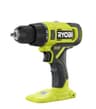
The value-platform pick. Ryobi ONE+ isn't the most refined, but it's affordable, the batteries are cheap, and the ecosystem is enormous — a very sensible way for a budget beginner to start building a cordless kit.
Irwin Quick-Grip One-Handed Mini Bar Clamp (4-Pack)
The clamp that teaches you why 'you can never have too many clamps' is a cliche. One-handed ratcheting means you can hold a workpiece and clamp it at once — the single most useful thing a beginner clamp does.
Irwin Coarse Cut ProTouch Hand Saw, 15 in (2011201)
The cheapest tool on this site that will genuinely change what you can build. A hardpoint Western panel saw cuts on the push stroke, costs about the same as a takeout meal, and turns a pile of lumber into parts without a single power cord.
The single cheapest tool that makes your work look professional. Mark a dead-square line, check a 45, guide a circular saw against its lip — for under ten dollars it does all three, forever.
Buy this before you buy a better stone. A honing guide holds the blade at one repeatable angle, which is the single thing beginners cannot do freehand — and a repeatable angle on a cheap stone beats a wobbly one on an expensive stone every time.
Non-negotiable, and the one item on this whole site you must not skip. Anti-fog, ANSI-rated eye protection for the price of a coffee — wear it every single time a tool touches wood.
The honest budget answer: Cr-V blades, a sharpening stone and honing guide bundled in, at a price that makes the inevitable first-timer mistakes painless. Not lifetime tools, but a real starting point.
Strengths
+Comes with a whetstone and honing guide — you can sharpen day one
+Chrome-vanadium blades sharpen up surprisingly keen for the money
+Extra sizes and accessories for the price of one premium chisel
Trade-offs
−Edge retention trails the mid-tier sets — you'll re-hone more often
−Handles are fine for hand and light mallet work, not heavy chopping
Type
Bench chisel set + sharpening kit
In the set
10 pieces
Material / build
Chrome-vanadium steel
Key spec
6 chisels + whetstone + honing guide
Best for
Tightest budget / learning to sharpen
Worth knowing. The bundled stone and honing guide are the real story here: a beginner who learns to sharpen on a cheap set understands their tools far better than one who never has to. Cheap chisels sharpened well beat expensive chisels left dull.
Specs read from the product listing, on July 24, 2026. “Not listed” means the listing doesn’t state that figure.
#2Best power tool under $100
Ryobi ONE+ 18V Cordless Drill/Driver (PCL206)
The value-platform pick. Ryobi ONE+ isn't the most refined, but it's affordable, the batteries are cheap, and the ecosystem is enormous — a very sensible way for a budget beginner to start building a cordless kit.
Strengths
+Low entry cost and inexpensive batteries
+The ONE+ ecosystem has 300+ compatible tools
+More than enough drill for beginner woodworking
Trade-offs
−Feels less premium than DeWalt/Makita
−Tool-only listing — you'll need a ONE+ battery and charger
Type
Cordless drill/driver
In the set
Single tool
Material / build
—
Key spec
18V, 2-speed, ONE+ platform
Best for
Best budget battery platform
Worth knowing. If budget is the deciding factor and you like the idea of cheaply adding a sander, jigsaw and shop light on the same battery later, Ryobi ONE+ is the friendliest on-ramp in cordless tools.
Specs read from the product listing, on July 24, 2026. “Not listed” means the listing doesn’t state that figure.
#3Best clamps
Irwin Quick-Grip One-Handed Mini Bar Clamp (4-Pack)
The clamp that teaches you why 'you can never have too many clamps' is a cliche. One-handed ratcheting means you can hold a workpiece and clamp it at once — the single most useful thing a beginner clamp does.
Strengths
+One-handed operation frees your other hand to hold the work
+A 4-pack gets you enough clamps to actually glue something up
+Resin pads won't mar or dent your workpiece
Trade-offs
−Lower clamping force than a steel bar or F-clamp — fine for glue-ups, not for bending stock
−6 in reach limits you to smaller assemblies (buy longer ones later)
Type
One-handed bar clamp
In the set
4 pieces
Material / build
Resin body, steel bar
Key spec
6 in reach, one-handed ratchet
Best for
Best first clamps for most people
Worth knowing. Start with a four-pack of these, add longer ones as your projects grow. The one-handed trigger is what makes them beginner-friendly: gluing up a box alone is nearly impossible without a clamp you can close with one hand.
Specs read from the product listing, on July 24, 2026. “Not listed” means the listing doesn’t state that figure.
#4Best budget hand saw
Irwin Coarse Cut ProTouch Hand Saw, 15 in (2011201)
The cheapest tool on this site that will genuinely change what you can build. A hardpoint Western panel saw cuts on the push stroke, costs about the same as a takeout meal, and turns a pile of lumber into parts without a single power cord.
Strengths
+Coarse tooth pattern clears waste fast in construction lumber
+Hardpoint (induction-hardened) teeth stay sharp far longer than traditional teeth
+ProTouch grip is comfortable enough for long cuts and doubles as a 45/90 marking gauge
Trade-offs
−Hardpoint teeth cannot be re-sharpened — when it dulls, you replace it
−Coarse pitch tears out on thin stock and plywood; it is a rough-cut saw, not a joinery saw
Type
Western panel saw
In the set
Single tool
Material / build
Induction-hardened steel blade, ProTouch handle
Key spec
15 in blade, coarse cut
Best for
Breaking boards down on a budget
Worth knowing. A short 15-inch panel saw is easier for a beginner to control than a full 26-inch handsaw, and it stores anywhere. If you buy exactly one Western saw to start, buy this size.
Specs read from the product listing, on August 11, 2026. “Not listed” means the listing doesn’t state that figure.
#5Best square
Swanson 7-Inch Speed Square (S0101)
The single cheapest tool that makes your work look professional. Mark a dead-square line, check a 45, guide a circular saw against its lip — for under ten dollars it does all three, forever.
Strengths
+Marks reliable 90 and 45 degree lines in one move
+The lipped edge guides a circular-saw cut straight
+Nearly indestructible cast aluminum — a lifetime tool for the price of lunch
Trade-offs
−7 in size is for marking and sawing, not fine layout
−Aluminum can dent if you drop it on a corner
Type
Speed / rafter square
In the set
Single tool
Material / build
Cast aluminum
Key spec
7 in, 90 and 45 degree marking + saw guide
Best for
Best first square, hands down
Worth knowing. If you buy one square first, buy this. It's the tool that turns a wobbly freehand crosscut into a straight one, because you run the saw's shoe against its fence. Every beginner should own one before anything fancier.
Specs read from the product listing, on July 24, 2026. “Not listed” means the listing doesn’t state that figure.
#6Best value upgrade
Atlin Honing Guide for Chisels and Plane Blades
Buy this before you buy a better stone. A honing guide holds the blade at one repeatable angle, which is the single thing beginners cannot do freehand — and a repeatable angle on a cheap stone beats a wobbly one on an expensive stone every time.
Strengths
+Locks a consistent bevel angle so every honing session builds on the last
+Takes both chisels and plane irons across the common widths
+Costs less than one premium chisel and immediately improves every edge you own
Trade-offs
−Setting the projection each time takes a moment — make a simple wooden setup block and it is seconds
−Very narrow or very wide blades can be fiddly to clamp square
Type
Honing guide / sharpening jig
In the set
Single tool
Material / build
Steel and machined body with roller
Key spec
Fits chisels and plane blades
Best for
The first sharpening purchase, full stop
Worth knowing. Freehand honing is a real skill and worth learning eventually. It is a terrible thing to learn on your first week, because until it clicks you round the bevel over and the tool gets worse with every session.
Specs read from the product listing, on August 11, 2026. “Not listed” means the listing doesn’t state that figure.
#7Best safety buy
DeWalt Concealer Clear Anti-Fog Safety Goggles
Non-negotiable, and the one item on this whole site you must not skip. Anti-fog, ANSI-rated eye protection for the price of a coffee — wear it every single time a tool touches wood.
Strengths
+ANSI Z87.1-rated impact protection
+Anti-fog coating so they stay usable
+So cheap there's no excuse not to own a pair
Trade-offs
−Goggle style is warmer than open glasses
−Fit varies — some prefer wraparound glasses
Type
Safety goggles
In the set
Single tool
Material / build
Polycarbonate
Key spec
ANSI Z87.1, anti-fog
Best for
Eye protection — never skip this
Worth knowing. Everything else on this site is a preference. Eye protection is a rule. Wood chips, off-cuts and dust move fast; a $12 pair of goggles is the cheapest insurance you will ever buy. Buy two so you always have a clean pair.
Specs read from the product listing, on July 24, 2026. “Not listed” means the listing doesn’t state that figure.
Where cheap costs you nothing
In several categories the budget option is functionally identical to the expensive one, and paying more buys you nothing a beginner can use.
Squares.A cast aluminum speed square is either square or it is not, and the good budget ones are. A precision machinist’s square is a lovely object that will not make your cuts straighter.
Marking tools. A knife line is a knife line. A $9 wing divider steps off equal spacings exactly as well as a $60 one.
Safety glasses.The only thing that matters is the ANSI Z87.1 impact rating, and rated glasses start at pocket-change prices. There is no premium version of “certified.”
Clamps. Quantity beats quality here by a wide margin. Four cheap clamps will do more for your work than one excellent one, because glue-ups need pressure in several places at once.
Where cheap genuinely costs you something
Being honest about the other direction matters more.
Edge retention.Budget chisels and plane irons use softer steel, so they dull faster. You are not getting worse cuts — a sharpened budget chisel cuts identically — you are getting more sharpening sessions. That is a time cost, not a quality cost.
Setup time. Cheap planes need their soles checked and often lapped. Cheap chisels need their backs flattened. This is real work, and the premium tools charge you for having done it at the factory.
Power tool endurance. A budget drill or sander will do hobby work happily and will not survive daily professional use. For a garage shop that is the right trade.
Dust collection.This is the one place we would not economize for long. The cheapest sanders have token dust bags, and fine dust is the genuine long-term hazard in a home shop — see our dust collection guide for the realistic plan.
The buy-in-this-order list
If even this kit is more than you want to spend at once, buy it in this sequence. Each stage is usable on its own.
Stage one — mark and cut by hand. A speed square, a pencil, and a hand saw. You can already cut boards to length accurately.
Stage two — shape and hold. A chisel set with a stone, a wooden mallet, and four clamps. You can now cut simple joints and glue things up.
Stage three — the first power tool.A cordless drill. Choose the platform deliberately, because you will be buying its batteries for years — our battery platforms guide explains why.
Stage four — protection. Rated glasses before any cut, hearing protection before any powered cut. Do not put this stage last in practice; it is listed here only because glasses cost so little that nobody has to save up for them.
The upgrade that beats every other $16
A honing guide. It sounds like an accessory and it is closer to a force multiplier: it holds a blade at one repeatable angle, which is the exact thing beginners cannot do freehand. Every chisel and plane iron you own becomes sharper and stays that way.
A beginner with a $24 chisel set and a honing guide will out-cut a beginner with a $150 chisel set and no way to sharpen it. That is not a motivational slogan — it is just how edges work. Our sharpening kit roundup covers the whole setup.
Frequently asked questions
Can you really start woodworking for under $100?+
You can start for well under it. A square, a pencil, a hand saw and a couple of clamps will let you cut boards accurately and glue them together, and that set costs less than a single power tool. Adding a chisel set with a sharpening stone brings real joinery within reach.
Are cheap woodworking tools worth buying?+
In most categories, yes. Budget squares, marking tools, clamps and safety glasses are functionally identical to expensive ones. Where budget costs you is edge retention on chisels and planes — they dull faster, so you sharpen more often — and endurance on power tools under heavy use.
What is the first woodworking tool I should buy?+
A combination or speed square, closely followed by a hand saw. Marking accurately comes before cutting accurately, and both come before anything powered. If you want one power tool first, make it a cordless drill — it is the most-used tool in almost every shop.
Should I buy cheap tools now or save for better ones?+
Buy cheap and start. A tool being used teaches you more than a better tool you are still saving for, and using budget tools tells you which ones you actually reach for — which is the only reliable way to know what is worth upgrading later.
Are the prices on this page guaranteed to be under $100?+
No, and we will not pretend otherwise. Every price shown comes from a live feed rather than being typed into the page, so it is current — but retail prices change daily and a pick can drift above $100. Check the live price on each card before buying.