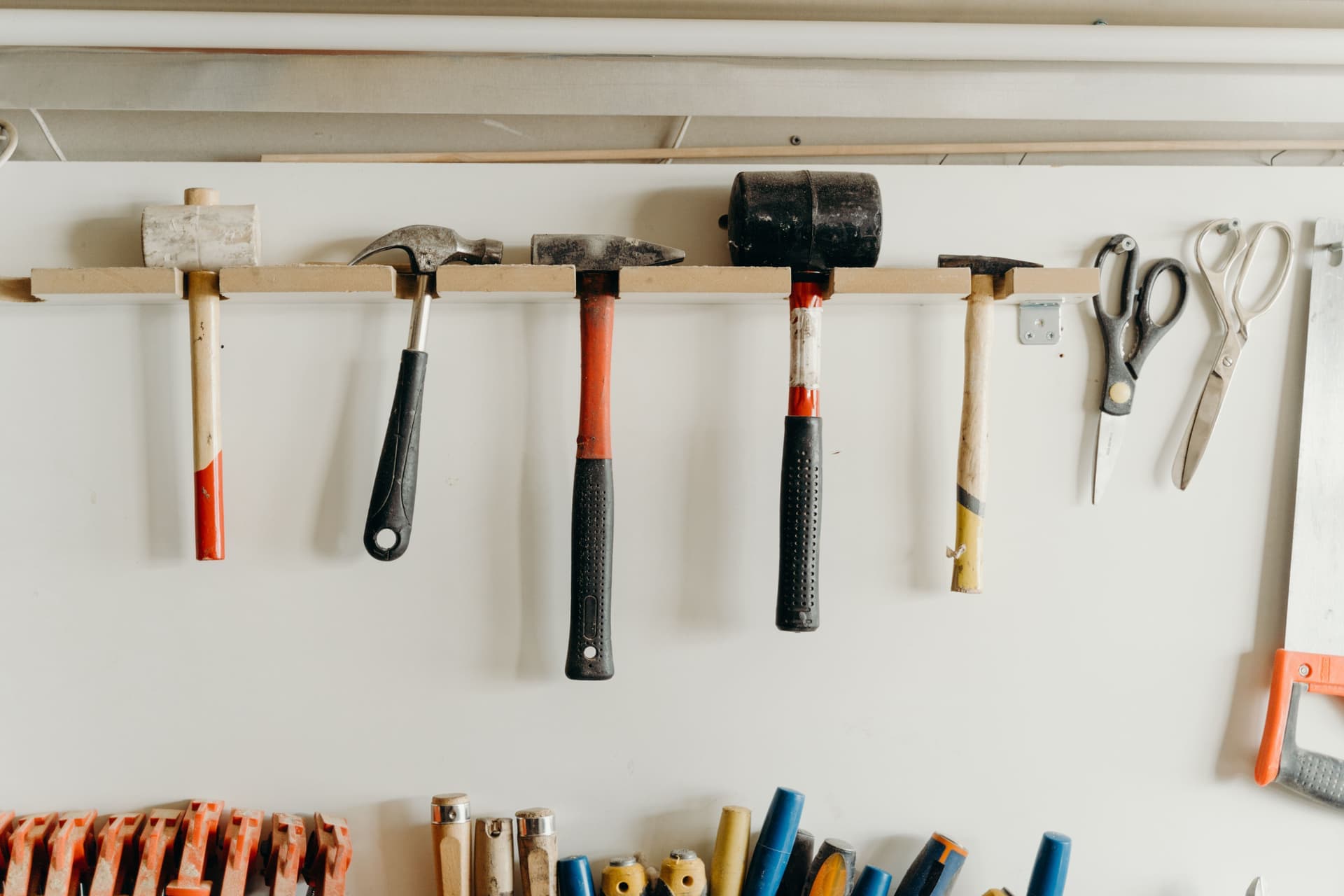
Power Tools
Which power tools a beginner actually needs, in what order, and which to wait on. Buying guidance with a conservative, safety-first default pick every time.
Power tools are where woodworking gets faster, and also where it gets louder, dustier and genuinely dangerous if you are careless. That is not a reason to be afraid of them — it is a reason to add them deliberately, one at a time, when a specific job actually calls for one. The beginner mistake is buying a garage full of machines before you can name what each is for. The smarter path is to earn each tool: build a few things by hand, hit the limit of what hand tools do comfortably, and then buy the power tool that removes that limit.
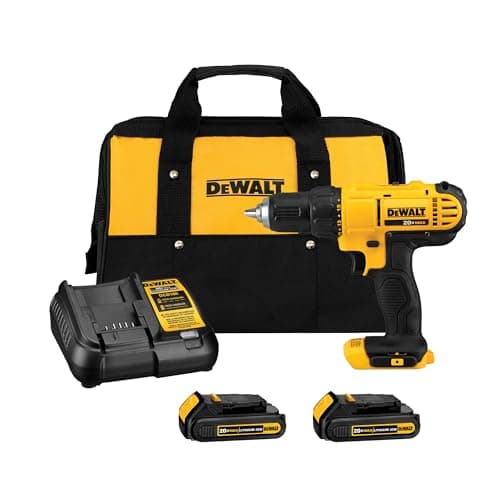
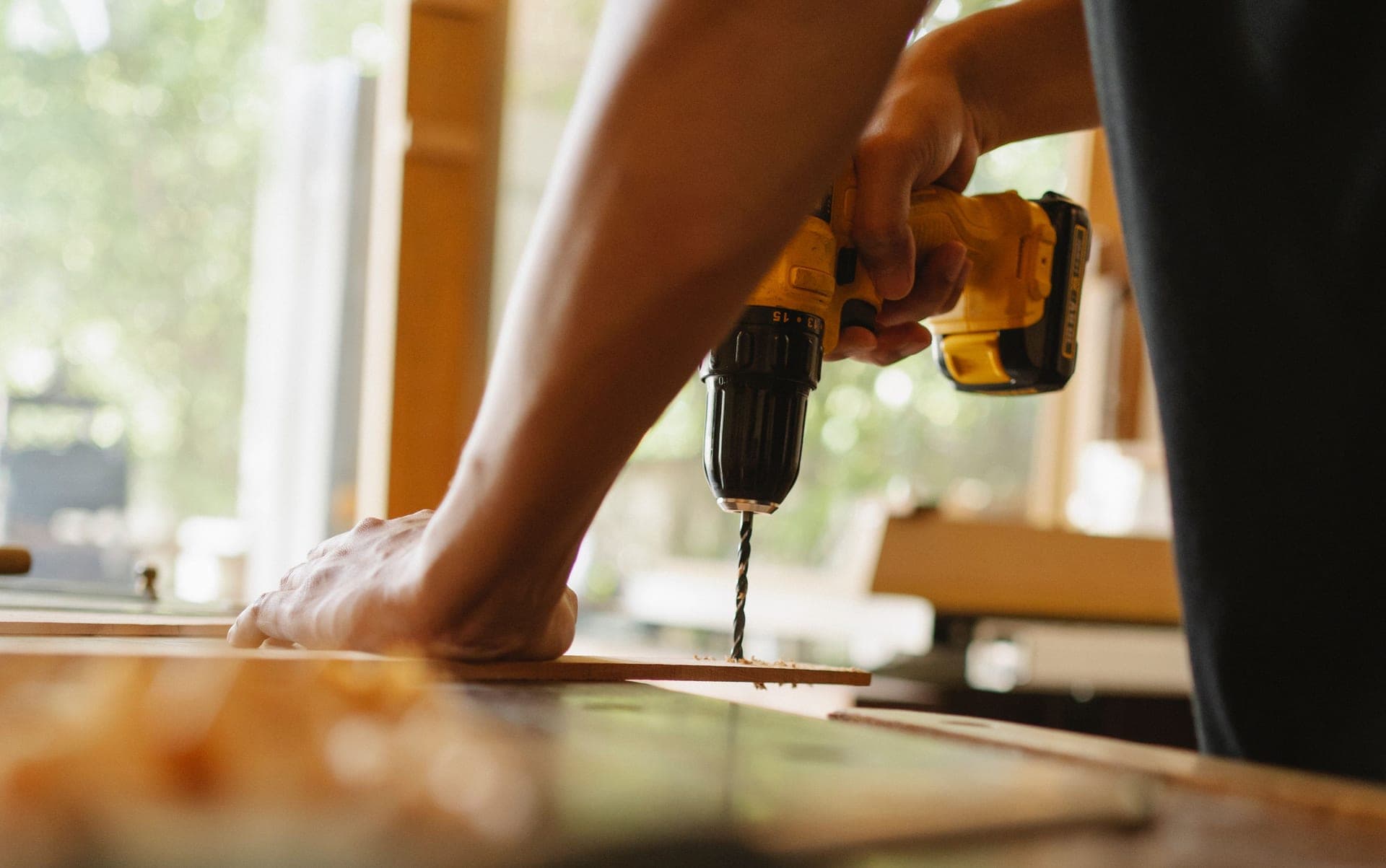
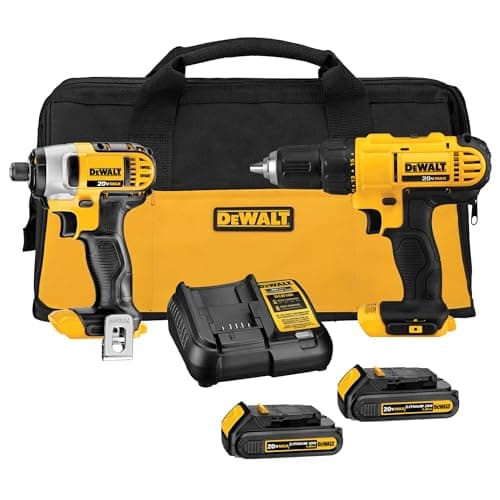
If you only ever buy one power tool, make it a cordless drill. It drives screws, bores holes, and does a dozen small jobs that are miserable by hand, and it locks you into a battery platform you will build on for years. Our best cordless drill for beginners guide explains why the battery ecosystem matters more than the drill itself, and names the safe default.
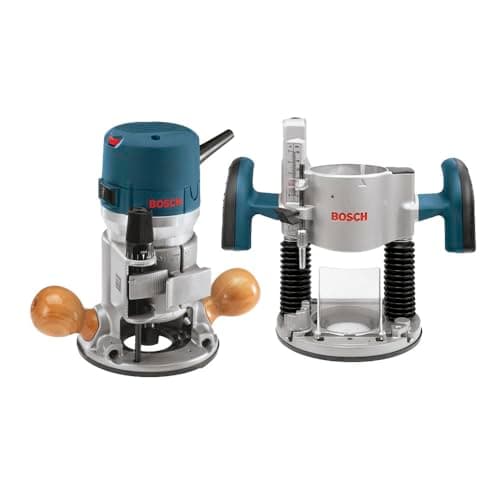
The second tool that most transforms what a beginner can build is a router— the tool that rounds over sharp edges, cuts grooves and dados, and adds the small details that make a project look finished. It sounds intimidating and it deserves respect, but a small palm router doing roundovers is about as gentle as powered woodworking gets. The best router for beginners guide covers compact versus full-size and the safest way to learn.
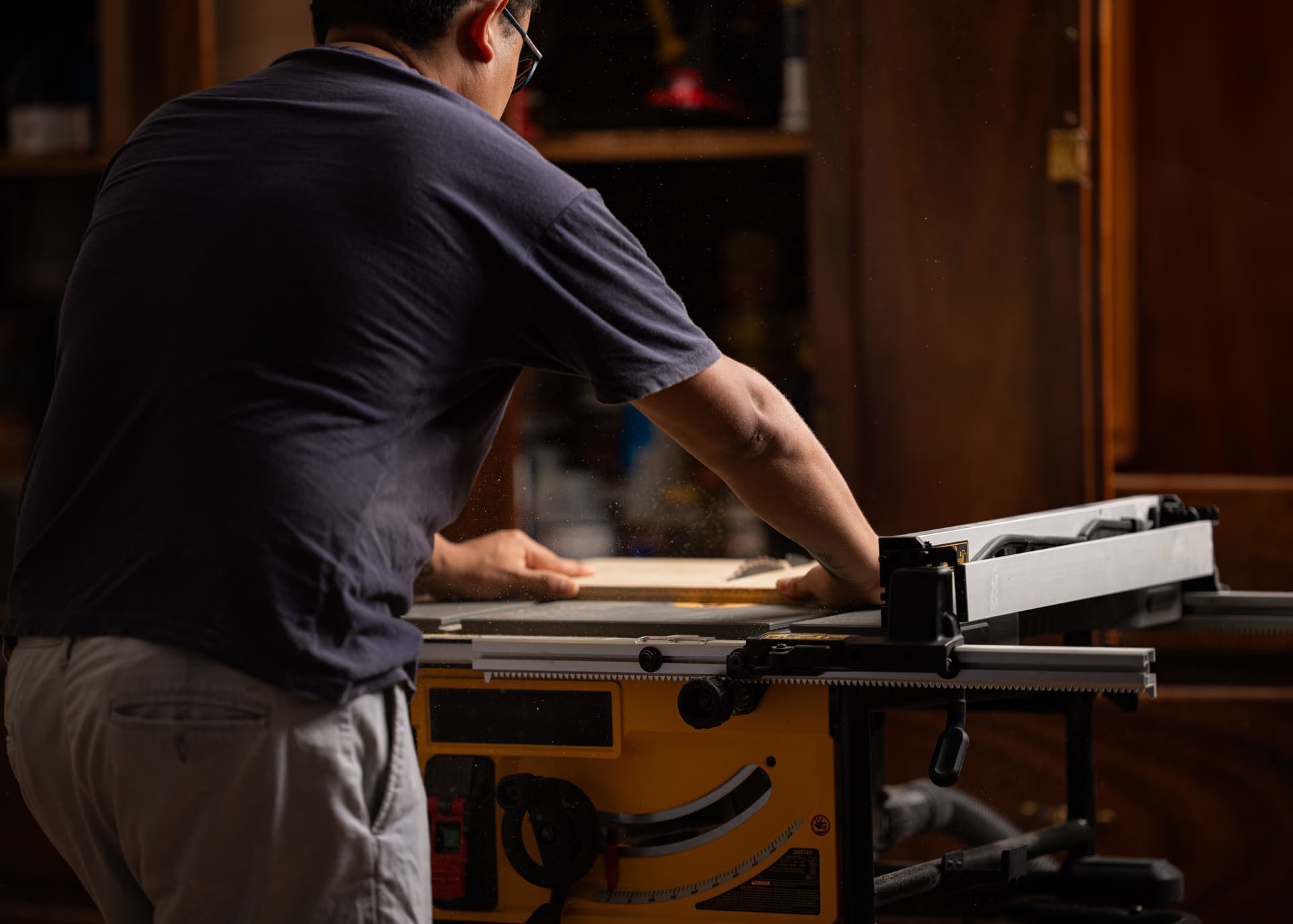
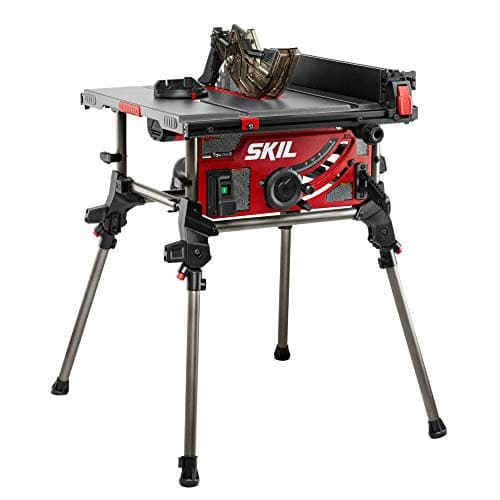
What about the tool everyone assumes they need — the table saw? Here is the honest answer: you do not need one to start, and it is the most dangerous common woodworking tool by a wide margin. There are safer, cheaper ways to make straight cuts while you learn, and we lay them out in do you need a table saw to start. Waiting on it is not a compromise; for most beginners it is the right call.
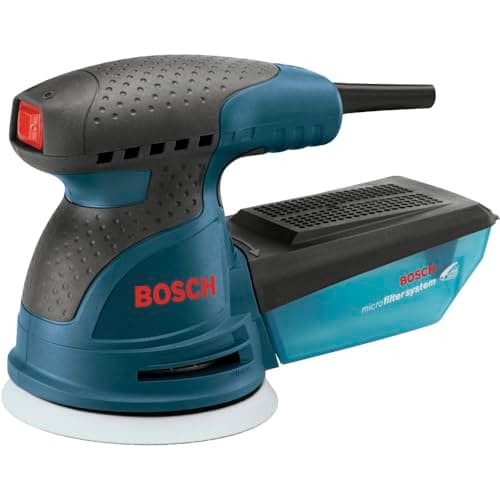
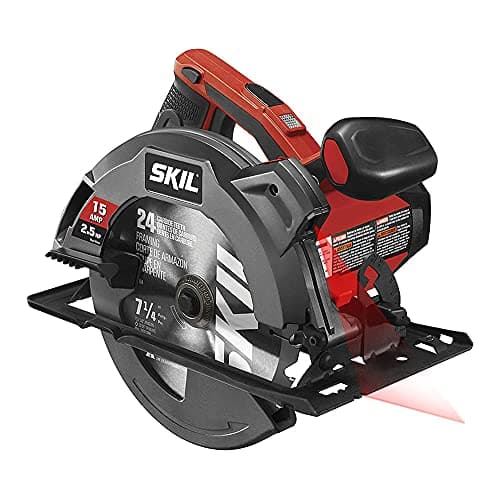
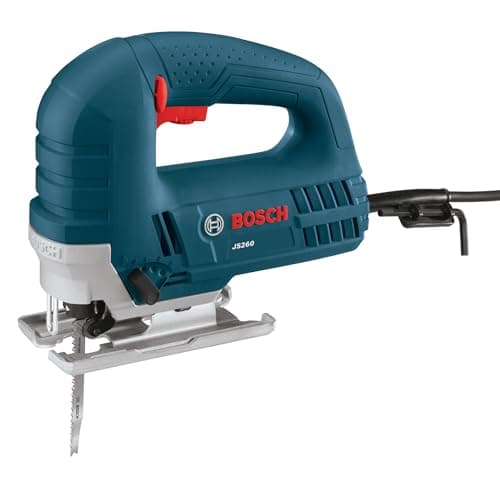
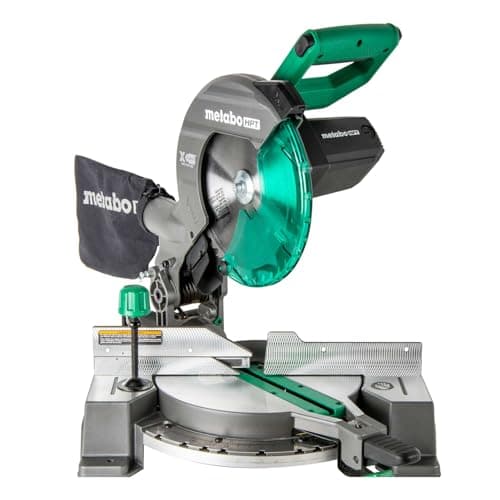
The rest of the order goes roughly like this. A random orbital sander is usually the second buy, because sanding by hand is the job that most makes people give up. Then a circular saw — with a clamped straightedge it does everything a beginner needs a table saw for, at a tenth of the price. A jigsaw follows when a project needs a curve (the circular saw vs jigsaw comparison explains which comes first), and a miter saw around fourth, once you are cutting a lot of identical parts. Before any of it, read our guide to battery platforms — your first cordless tool commits you to a battery system for years.
Two decisions sit underneath all of that. Whether a tool should have a cord at all — our corded vs cordless breakdown goes tool by tool, and the honest answer for a garage saves several hundred dollars — and whether the second cordless tool you buy should be an impact driver, which the drill vs impact driver comparison answers without the jargon — and once the answer is yes, the impact driver picks sort the seven worth buying by the battery you already own.
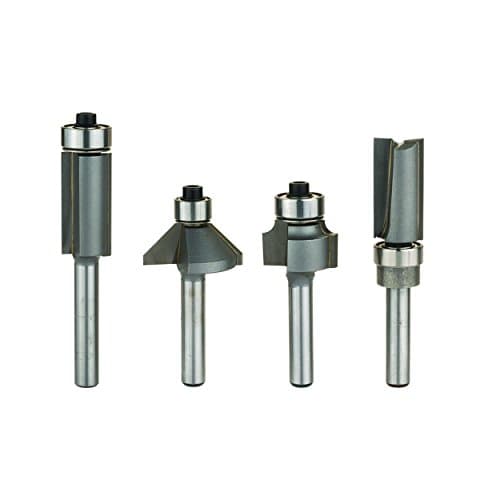
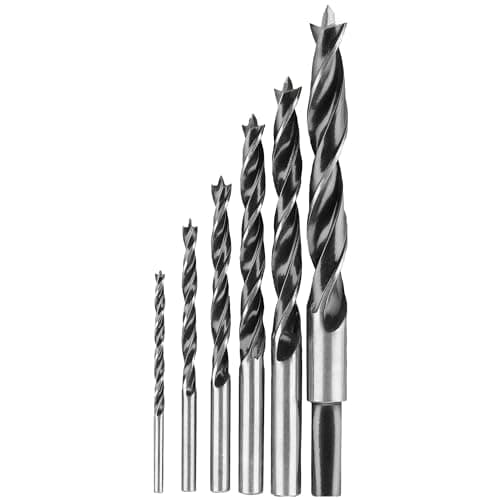
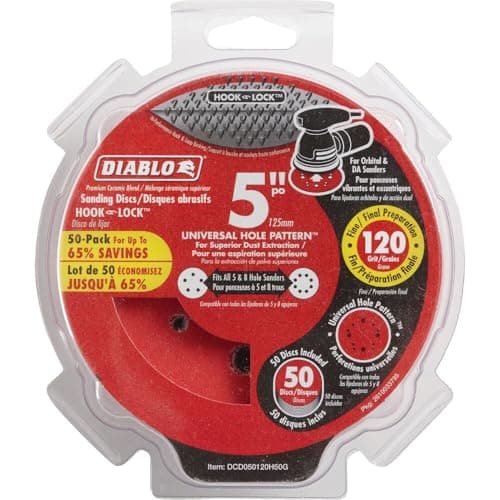
Power tools are also only as good as what you put in them. A budget router with a good bit cuts more cleanly than a premium router with a poor one, so start with the router bit guide — you need four profiles, not twenty-four. The bits your drill came with were made for metal; the drill bit guide covers the brad points, Forstners and countersinks that cut wood properly. And sanding is decided by abrasive more than by sander, which the sanding discs and grits guide explains grit by grit. When a table saw finally does make sense, the benchtop table saw guide covers what to look for — starting with the fence, and miter saw vs table saw settles which of the two machines your project list actually calls for. If the choice in front of you is the cheaper one, circular saw vs table saw explains why a clamped straightedge beats a benchtop saw on sheet goods and names the three cuts that finally justify the bigger machine. The other stationary machine worth naming is the benchtop drill press, which nobody needs first and which earns its space the week repeat accurate holes become the slow part. Before you buy any of them, though, read how to cut plywood with a circular saw: a clamped straightedge and a $70 saw break sheet goods down as accurately as any table saw, in a garage where one would not fit.
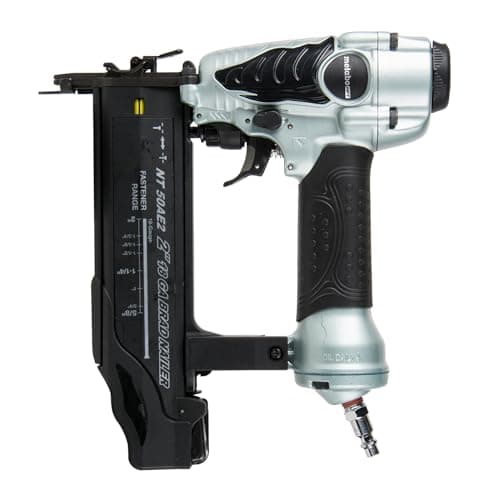
One second-wave tool is worth naming here, because beginners buy it too early and then use it wrongly. A brad nailer pins parts together while glue cures, which is a real answer to owning three clamps and needing seven — but it is a convenience purchase, not a capability one, and the compressor a pneumatic model needs usually costs more than the nailer.
If what you actually want is a running order rather than a catalogue, the best first power tools to buy ranks five of them by how many projects each one unlocks the day you own it — and which sander do you need settles the one choice on that list that trips people up. For the job most beginners are buying a saw for in the first place, the best tool for cutting plywood compares all five options honestly, including the two that do it without a table saw.
Three technique guides here fix the complaints that get blamed on the tool. How to cut straight with a jigsaw explains why the blade bends and how to stop it. How to drill straight holes without a drill press is the two-square trick that does most of what a press does, for nothing. And how to use a router safely covers feed direction, which is the router mistake that bites hardest. A fourth joins them for the one shape with a geometric answer: how to cut a circle in wood is the pivot trick that makes a jigsaw or a router cut a round circle without any steering at all.
Two more pages take the questions the roundups leave open. Best saw for cutting 2x4s compares a miter saw, a circular saw and a hand saw on the board a first shop buys most of, and Forstner vs spade bits answers which bit to reach for when the hole is large — plus how to drill it without blowing out the back face.
A word on safety, said once and meant sincerely: power tools deserve respect, not fear. Read the manual before the first cut. Keep the guards on — they are there for the exact accident you think won’t happen to you. Wear ANSI-rated eye protection every time. Never wear gloves near a spinning blade, never rush a cut, and when something feels wrong, stop and reset. There is no deadline in a home shop. Explore the guides below, and add power tools at the pace your projects actually demand.
Everything in Power Tools
Best Cordless Drill for Beginners
The first power tool everyone should own. Five drills compared, and why the battery platform matters more than the drill.
Our top pick
DeWalt DCD771C2 20V MAX Cordless Drill/Driver Kit (2 batteries + charger)
$129.00 · View on AmazonPrice as of October 21, 2026. #ad How we’re funded
Best Router for Beginners
The one power tool that most transforms what a beginner can build. Compact vs full-size, and the safest way to learn to rout.
Our top pick
Bosch 1617EVSPK 2.25 HP Combination Plunge- and Fixed-Base Router
Do You Need a Table Saw to Start Woodworking?
Short answer: no. The honest case for waiting, what a table saw actually buys you, and the safer tools to start with instead.
Best Random Orbital Sander for Beginners
The tool that removes the most tedious job in woodworking. Five sanders compared on dust collection, speed control and the vibration you feel after twenty minutes.
Our top pick
Bosch ROS20VSC 5 in Random Orbit Sander
$99.00 · View on AmazonPrice as of October 21, 2026. #ad How we’re funded
Best Circular Saw for Beginners
A circular saw plus a clamped straightedge cuts sheet goods as accurately as a table saw, for a tenth of the money and a fraction of the space.
Our top pick
Skil 5280-01 15-Amp 7-1/4 in Circular Saw
Best Jigsaw for Beginners
The only power tool that cuts curves. Five jigsaws compared, plus the blade and orbital settings that decide whether the edge is clean or torn.
Our top pick
Bosch JS260 6.0-Amp Top-Handle Jigsaw
Best Miter Saw for Beginners
Repeatable square crosscuts, every time. Fixed vs sliding, 10 vs 12 inch, and why the $139 saw is the right one for most first shops.
Our top pick
Metabo HPT C10FCG2 10 in Single-Bevel Compound Miter Saw
Circular Saw vs Jigsaw: Which Should You Buy First?
One cuts straight and fast, the other cuts curves and slow. Which earns its place in a first shop, and what happens if you buy the wrong one.
Cordless Tool Battery Platforms Explained
DeWalt, Ryobi, Makita, Milwaukee — you are not choosing a drill, you are choosing a battery you will be buying for the next decade. How to choose once.
Best Router Bits for Beginners
You need four bits, not twenty-four. The profiles that earn their place in a first shop, and the ones that sit in the case forever.
Our top pick
Whiteside 404 Compact Router Bit Set (1/4-Inch Shank)
$103.61 · View on AmazonPrice as of October 21, 2026. #ad How we’re funded
Best Drill Bits for Woodworking
The bits that came with your drill are made for metal. Five sets that cut wood properly — brad points, Forstners, spades and countersinks.
Our top pick
DeWalt DW1720 Brad Point Drill Bit Set, 6-Piece
Best Sanding Discs and Grits Explained
What the grit numbers actually mean, which ones you need, and the five abrasives that cover every job from stock removal to the final hand pass.
Our top pick
Diablo Hook and Lock ROS Sanding Discs, 5 in, 120 Grit, 50-Pack
Best Benchtop Table Saw for a Small Shop
For when waiting stops making sense. Five portable saws compared on fence quality, rip capacity and whether they fold away.
Our top pick
Skil TS6307-00 15 Amp 10-Inch Portable Jobsite Table Saw with Folding Stand
Corded vs Cordless for a Home Shop
Cordless won the jobsite. A garage shop is a different problem — the tool-by-tool answer, and why the cheapest shop is a deliberate mix.
Drill vs Impact Driver: Which Do You Actually Need?
They look almost identical and do genuinely different jobs. Which one a beginner should buy first, and when the second earns its place.
How to Change a Circular Saw Blade
Unplug it, find the spindle lock, and know which way the bolt turns - because on most saws it is not the way you think. The five-minute procedure.
How to Cut Plywood with a Circular Saw
A clamped straightedge and a $70 saw cut sheet goods as accurately as a table saw, in a fraction of the space — and far more safely.
Best Saw Blades for Beginners
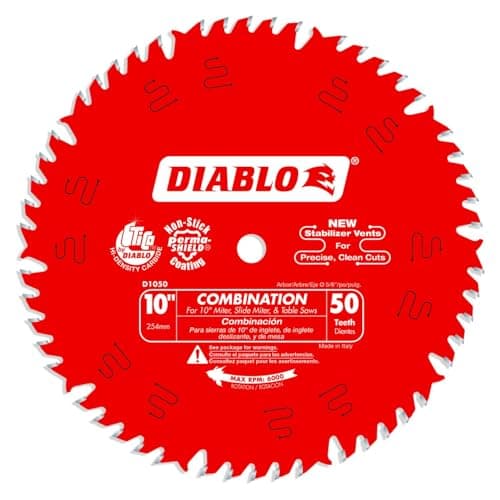
The cheapest real upgrade to any saw you already own. Five blades compared on tooth count, grind, and the job each one is actually for.
Our top pick
Diablo 10 in 50-Tooth Combination Saw Blade (5/8 in Arbor)
$42.97 · View on AmazonPrice as of October 21, 2026. #ad How we’re funded
Miter Saw vs Circular Saw
Two saws that look like they do the same job. Which one a first shop should buy, what each cannot do, and why the answer is not the expensive one.
Do You Need a Planer or a Jointer?
The honest answer for a first shop, what dressed lumber really costs you, and the three ways to flatten a board without either machine.
How to Use a Router Safely
Feed direction, bit depth, climb cuts and the grip that stops a router running away - the rules that make the scariest beginner tool routine.
Which Sander Do You Need?
Random orbital, sheet, belt, detail, or a block and your hand - what each sander is genuinely for, and the one a first shop should own.
Best Brad Nailer for Beginners
Five 18-gauge brad nailers compared for a first shop - pneumatic versus cordless, the compressor nobody mentions, and the trigger setting that halves the injury risk.
Our top pick
Metabo HPT NT50AE2 18-Gauge Pneumatic Brad Nailer
Best Pocket Hole Jig for Beginners
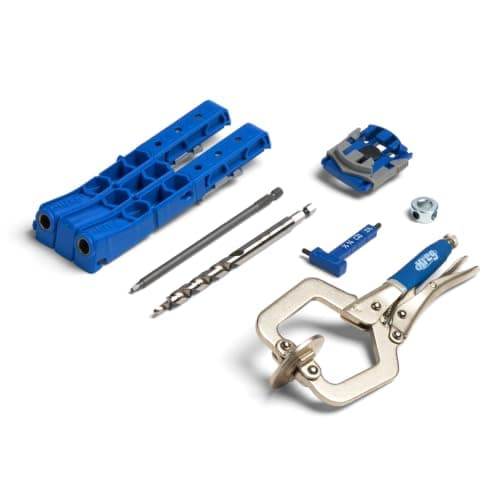
The fastest strong joint a beginner can cut with a drill. Six jigs compared, what the independent strength tests actually show, and the screw rule that decides whether the joint holds.
Our top pick
Kreg Pocket-Hole Jig 320 with Classic 2 in Face Clamp (KPHJ320-22)
$49.00 · View on AmazonPrice as of October 21, 2026. #ad How we’re funded
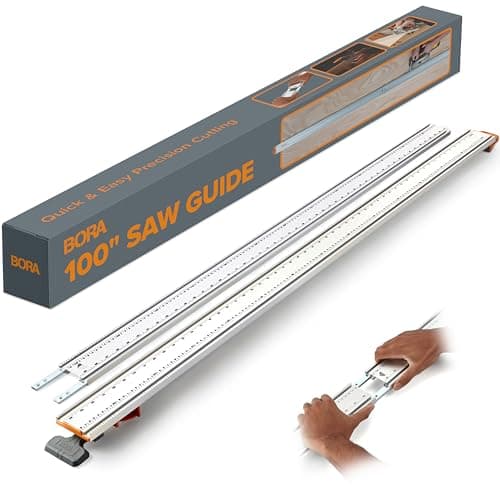
Best Circular Saw Guide for Beginners
The guide, not the saw, is what makes a circular saw cut straight. Seven clamp edges, track systems and straightedges compared for plywood - plus the free one to build first.
Our top pick
Bora NGX 100 in Clamp Edge (50 in + 50 in Extension, 544100)
$89.99 · View on AmazonPrice as of October 21, 2026. #ad How we’re funded
The Best First Power Tools to Buy, In Order
Not a list of everything — a buying order. The five power tools worth owning, ranked by how soon each one earns its place in an empty garage.
Our top pick
DeWalt DCD771C2 20V MAX Cordless Drill/Driver Kit (2 batteries + charger)
$129.00 · View on AmazonPrice as of October 21, 2026. #ad How we’re funded
The Best Tool for Cutting Plywood
Circular saw, jigsaw, table saw or hand saw? Five ways to break down a sheet compared on accuracy, cost, safety and the space each one needs.
Our top pick
Skil 5280-01 15-Amp 7-1/4 in Circular Saw
How to Drill Wood Without Splintering
Tear-out on the way in, blowout on the way out, and splitting when a screw follows. Three different failures, three different fixes, and one piece of scrap that solves most of it.
How to Drill Straight Holes Without a Drill Press
Why a hand-held drill wanders, the two-square trick that fixes it, and the bits that start exactly where you marked instead of skating off the line.
How to Cut Straight With a Jigsaw
A jigsaw wanders because the blade bends, not because you do. The blade, speed and guide settings that make a jigsaw cut a line it can actually hold.
Best Impact Driver for Woodworking
The second cordless tool most beginners buy, and the one bought too early most often. Seven compared on battery platform, kit versus bare tool, and the speed control that stops you burying screws.
Our top pick
DeWalt DCK240C2 20V MAX Drill/Driver + Impact Driver Combo Kit
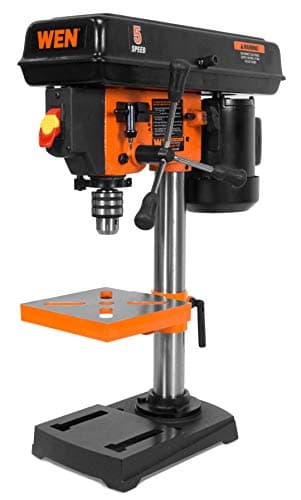
Best Drill Press for Woodworking
The machine you buy when hand-drilling stops being good enough. Seven benchtop presses judged on slowest speed, spindle travel and table size - not horsepower.
Our top pick
WEN 4206T 8-Inch 5-Speed Benchtop Drill Press
$123.76 · View on AmazonPrice as of October 21, 2026. #ad How we’re funded
Miter Saw vs Table Saw
One cuts boards to length, the other cuts them to width, and almost nobody needs both first. Which machine your project list actually calls for.
Best Tool for Cutting Curves in Wood
No band saw, no problem. Six tools ranked by the kind of curve they actually cut — tight, sweeping, inside a hole, or identical twenty times.
Our top pick
Bosch JS260 6.0-Amp Top-Handle Jigsaw
How to Cut Accurate Miters
Why four 45-degree cuts never close, how to find your saw's real error instead of trusting the detent, and the two cuts that fix a gap you can already see.
How to Cut a Dado Without a Table Saw
The shelf joint that makes a bookcase strong, cut with a router and a clamped straightedge — plus the two-pass trick for plywood that measures 23/32 instead of 3/4.
Do You Need an Air Compressor for a Brad Nailer?
A pneumatic nailer's price is not its price. What a compressor adds in money, noise and floor space, and the two cases where cordless is cheaper.
Brad Nailer vs Finish Nailer
18-gauge against 16-gauge: what each one holds, the hole each one leaves, and why almost every beginner should buy the smaller gun first.
Best Saw for Cutting 2x4s
A 2x4 is the first board almost everyone cuts. Six picks compared on a square cut, a repeatable length, and whether the saw goes through in one pass.
Our top pick
Metabo HPT C10FCG2 10 in Single-Bevel Compound Miter Saw
Brad Point vs Twist Drill Bits
The bits in your drill case were designed for steel, which is why your holes in wood come out fuzzy. What a brad point does differently, and when a twist bit still wins.
Our top pick
DeWalt DW1720 Brad Point Drill Bit Set, 6-Piece
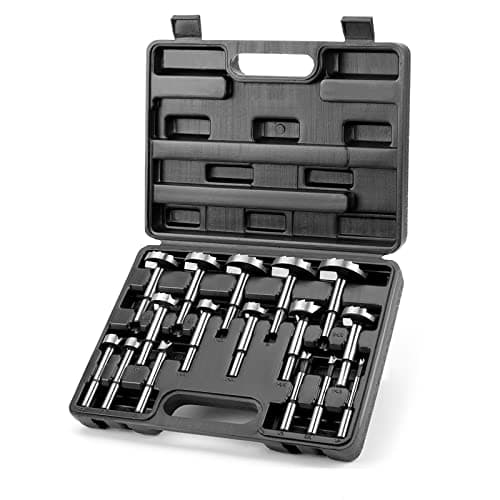
Forstner vs Spade Bits
One cuts a flat-bottomed hole you can show people, the other cuts a big hole in ten seconds and leaves it ragged. Which to use, and how to avoid blowout.
Our top pick
Comoware 16-Piece Forstner Bit Set
$47.99 · View on AmazonPrice as of October 21, 2026. #ad How we’re funded
How to Cut a Circle in Wood
Four ways to cut a circle — a jigsaw on a scrap pivot arm, a router trammel, a drill bit for small ones and a coping saw by hand — and which suits the circle you need.
Circular Saw vs Table Saw
One saw moves across the wood, the other makes the wood move past the blade. Which belongs in a garage first — and the exact point where the cheap answer stops being enough.