Hand Tools
Where most beginners should start: cheaper, safer, and the fastest way to learn how wood actually behaves. Chisels, clamps, squares and the skills to use them.
Almost every experienced woodworker, asked where a beginner should start, gives the same answer: hand tools. Not because power tools are bad, but because hand tools are the fastest, cheapest and safest way to actually learn the craft. A chisel does not care how nervous you are. It teaches you, quietly and without a loud motor, how wood splits along the grain, how a sharp edge behaves versus a dull one, and what a clean cut feels like. That understanding is what separates work that looks homemade from work that looks made.
Hand tools are also forgiving to your wallet. A genuinely good set of beginner chisels, a couple of clamps and a reliable square cost less than a single mid-range power tool, and they last a lifetime. There is no battery platform to lock into, no dust collection to solve, and nothing that can hurt you faster than you can react. You can work in a shared garage at night without waking the house. For most people, hand tools are simply the right place to begin.
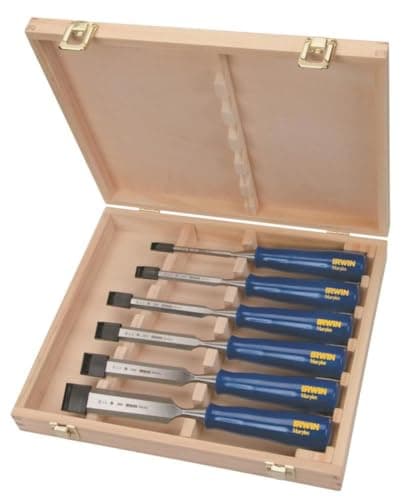
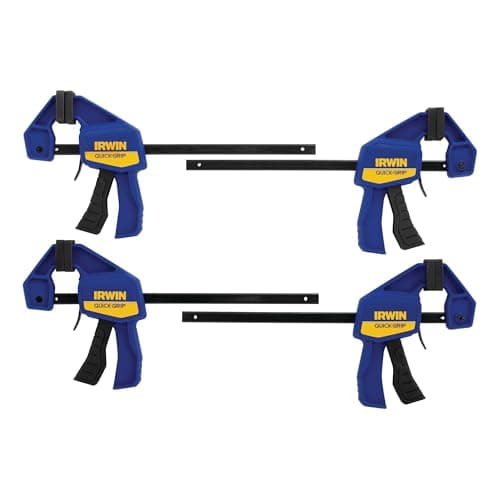
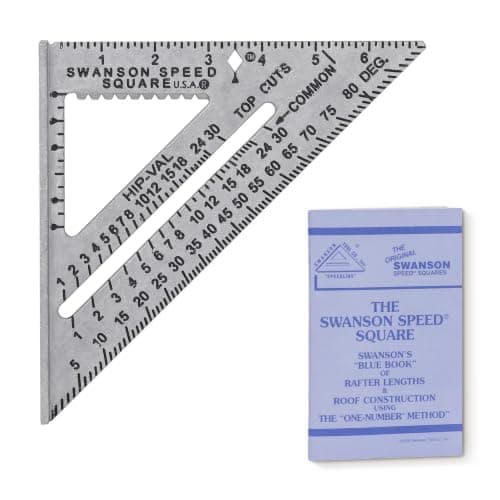
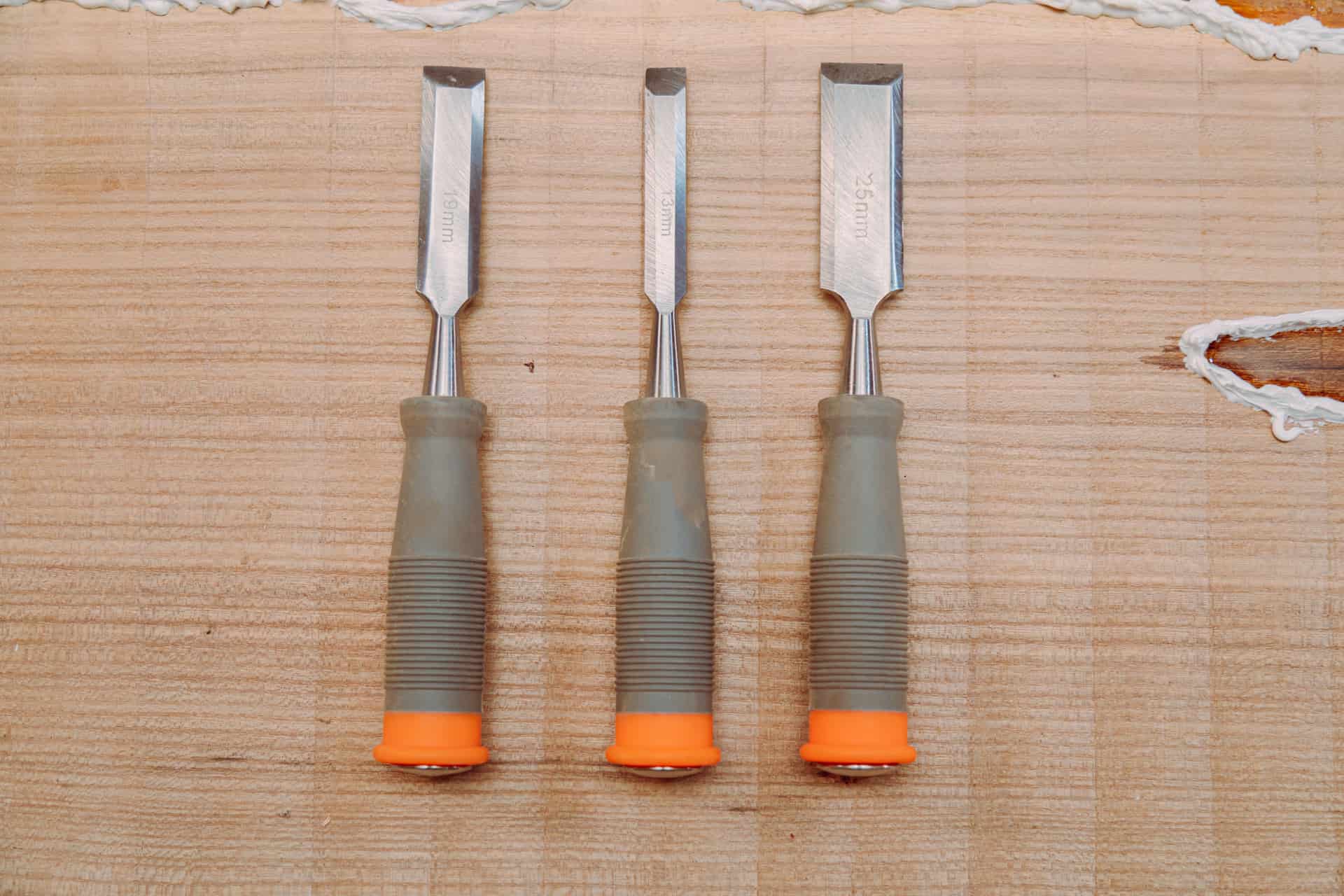
Where should your money go first? Start with the three that earn their place on almost every project. Chiselsclean up joints, chop simple joinery and pare edges flush — our best chisels for beginners guide names the one set most people should just buy. Clampshold everything while glue dries, and you will always want more than you own — the clamp guide covers the ones to start with. And a square is the cheapest tool that instantly makes your work look professional; the squares guide explains which does what.
There is one skill that ties all of this together, and it is the one beginners most often skip: sharpening. Every chisel and plane arrives needing its edge honed, and it will dull with use. A sharp cheap chisel outperforms a dull expensive one every single time, so learning to put a keen edge on your tools is worth more than any upgrade you can buy. Our guide to sharpening chiselsshows the cheapest way to get there — you do not need a fortune in stones.
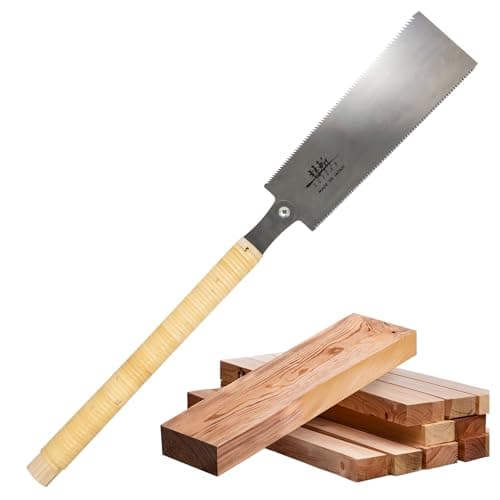
Beyond those first three, the hand-tool kit grows in a predictable order. A sawcomes next, because cutting parts to size is the job that comes before every joint — our hand saw picks cover Japanese pull saws, Western panel saws and the coping saw for curves, and the Japanese vs Western comparison explains why the cutting stroke matters so much. Then a planefor trimming, flattening and easing edges — our plane guide argues for a block plane first, not a bench plane. And running underneath all of it, the marking and measuring tools that decide whether a joint fits before you ever pick up a saw — starting with the tape measure, which is allowed by law to be a sixteenth of an inch wrong over its length, and which is why two tapes in one shop is a bad idea.
Two things sit alongside that kit. A mallet, because hitting a chisel with a claw hammer will eventually split its handle — our mallet guide covers wooden, dead blow and non-marring heads and which one a first shop needs. And if you would rather buy one box than six items, the hand tool set guide is honest about which sets are real woodworking kits and which are a socket set with a piece count.
Two skills are worth learning early, and both have guides here. Cutting a dovetail by hand is the clearest possible feedback on your sawing and chisel work — every mistake shows, which is exactly why practicing it improves everything else you build. And if a budget plane refuses to take a shaving, the problem is often not the blade but the bottom of the tool: flattening a plane sole is an afternoon with sandpaper that turns a frustrating object into a working one. The other half of that job is the blade itself, and a plane iron is not simply a wide chisel — sharpening a hand plane iron covers camber, the chipbreaker and the ruler trick that makes a hollow budget blade usable in a minute.
The third skill is the one people assume is obvious and then quietly get wrong for a year: how to use a chisel covers which way the bevel faces and why it decides whether a surface comes out flat or scooped, the two-handed paring grip, and the three cuts that handle almost everything a beginner needs a chisel for.
Sawing is the fourth, and it is the one where the tool most beginners buy works in reverse: how to use a Japanese pull saw covers the grip, starting the kerf without jumping, which edge of a ryoba to use, and the one thing that will ruin the blade permanently.
A quick note on jargon, because hand-tool woodworking is full of it. A bevel is the angled face that forms the cutting edge. A mortise is a square hole a matching piece fits into. To pare is to shave thin slices with hand pressure alone. None of it is complicated once someone explains it in plain English, and that is exactly what we try to do on every page. Browse the guides below, and remember: buy little, buy well, and keep it sharp.
Everything in Hand Tools
Best Chisels for Beginners
Five chisel sets compared on steel, sizes and value — from the ultra-budget kit to the one most people should just buy.
Our top pick
Irwin Marples 6-Piece Bench Chisel Set (M444)
$69.99 · View on AmazonPrice as of October 21, 2026. #ad How we’re funded
Best Clamps for Beginners
You can never have too many clamps — here are the ones to buy first, from one-handed bar clamps to real glue-up force.
Our top pick
Irwin Quick-Grip One-Handed Mini Bar Clamp (4-Pack)
Best Squares for Beginners
The cheapest tools that make your work look professional — speed squares, combination squares and when precision actually matters.
Our top pick
Swanson 7-Inch Speed Square (S0101)
How to Sharpen Chisels (Beginner's Guide)
A sharp cheap chisel beats a dull expensive one. The simplest way to get a keen edge, step by step, without spending a fortune on stones.
Best Hand Saws for Beginners
Japanese pull saws, Western panel saws and the coping saw that cuts curves — which to buy first, and why one of them costs less than a pizza.
Our top pick
Suizan Ryoba Double-Edge Japanese Pull Saw (9.5 in)
$42.80 · View on AmazonPrice as of October 21, 2026. #ad How we’re funded
Best Hand Planes for Beginners
Block plane or bench plane first? Five planes from a $30 starter to the one you keep forever, plus what every budget plane needs before it cuts.
Our top pick
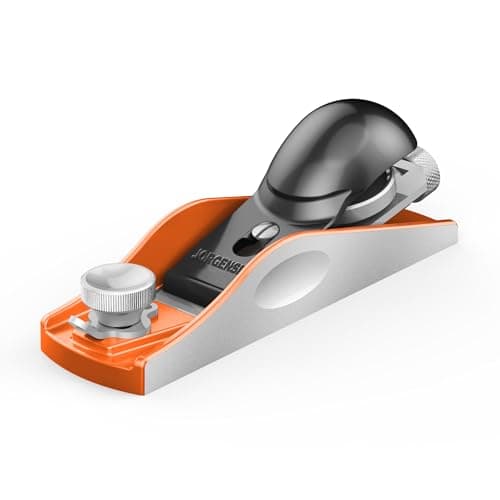
Jorgensen No. 60-1/2 Low-Angle Block Plane, 6-1/4 in
$42.98 · View on AmazonPrice as of October 21, 2026. #ad How we’re funded
Best Marking and Measuring Tools for Beginners
The cheapest tools on this site and the ones that most improve your work — knife lines, marking gauges and why a pencil line is already too wide.
Our top pick
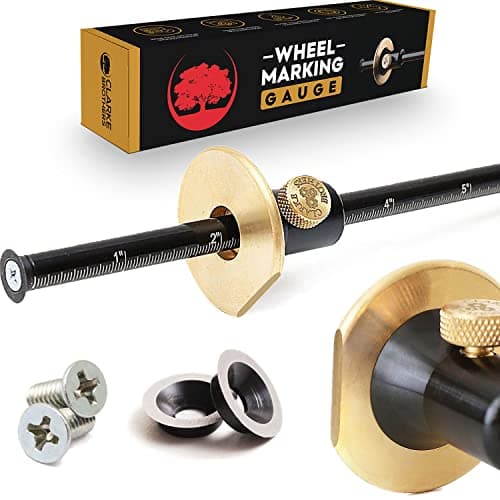
Clarke Brothers Wheel Marking Gauge Kit
$24.80 · View on AmazonPrice as of October 21, 2026. #ad How we’re funded
Best Sharpening Stones for Beginners
The honing guide, the stone and the strop that turn any chisel into a sharp chisel — the highest-value $50 a beginner can spend.
Our top pick
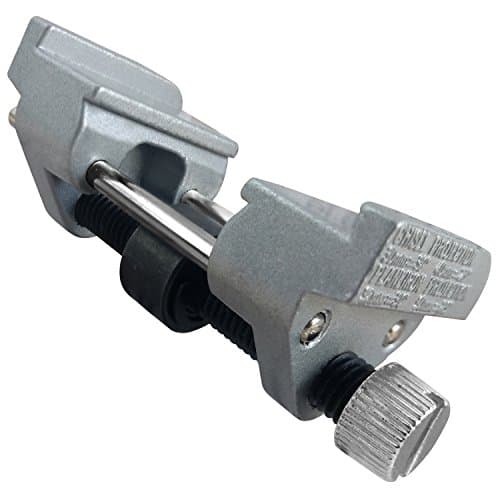
Atlin Honing Guide for Chisels and Plane Blades
$16.99 · View on AmazonPrice as of October 21, 2026. #ad How we’re funded
Japanese vs Western Hand Saws
Push or pull? The two saw traditions cut on opposite strokes, and the difference decides which one a beginner finds easier to keep on a line.
Japanese vs Western Chisels
Laminated steel that takes a frighteningly keen edge, against softer steel you can sharpen in two minutes flat. Which tradition belongs in a first shop.
Our top pick
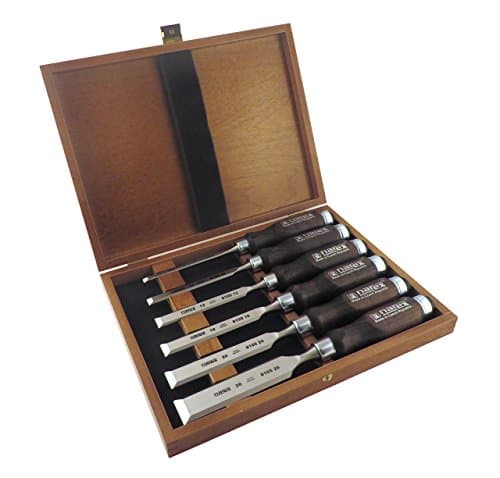
Narex 6-Piece Bench Chisel Set
$110.99 · View on AmazonPrice as of October 21, 2026. #ad How we’re funded
Best Mallets for Woodworking
A hammer will destroy your chisel handles. Five mallets compared — wooden, dead blow, carving and non-marring — and which one a first shop needs.
Our top pick
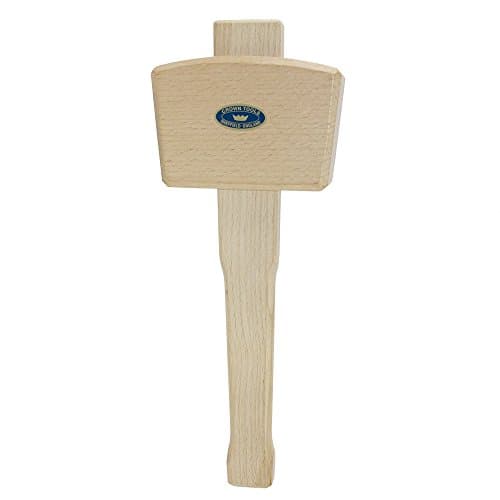
Crown 106 4-1/2-Inch Beechwood Mallet
$24.94 · View on AmazonPrice as of October 21, 2026. #ad How we’re funded
Best Hand Tool Sets for Beginners
Most 'woodworking tool sets' are household kits with a piece count. Which sets are genuinely worth owning, and the set we'd assemble instead.
Our top pick
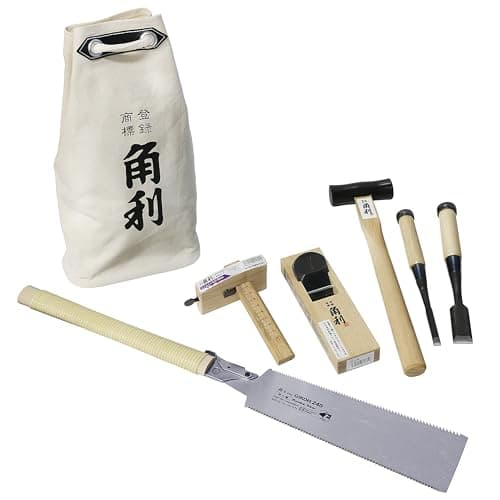
Kakuri Japanese Woodworking Hand Tool Set for Beginner, 7 Pieces
$168.80 · View on AmazonPrice as of October 21, 2026. #ad How we’re funded
How to Flatten a Plane Sole
Every budget plane arrives with a sole that isn't flat. The sandpaper-on-glass method that fixes it in an afternoon, and how to know when to stop.
How to Cut a Dovetail by Hand
The joint everyone wants to cut, broken into eight steps you can do with a saw, a chisel and a marking knife — plus the truth about your first six attempts.
How to Sharpen a Hand Plane Iron
A plane iron is not just a wide chisel. Camber, the chipbreaker and the ruler trick — the four things that make a plane sing.
Hand Plane vs Sander
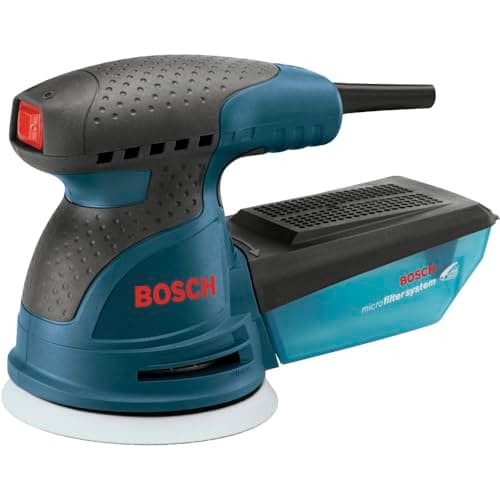
One cuts the fibers and leaves a surface that reflects light. The other abrades them and leaves a surface that takes stain evenly. Which to reach for, and the cheap tool that beats both.
Our top pick
Bosch ROS20VSC 5 in Random Orbit Sander
$99.00 · View on AmazonPrice as of October 21, 2026. #ad How we’re funded
How to Use a Hand Plane
Grip, stance, depth of cut and grain direction - the six things that turn a plane from a frustrating scraper into the tool that fixes everything.
Best Japanese Woodworking Tools for Beginners
Pull saws, laminated chisels, a kanna and a water stone - the Japanese route into hand-tool work, and where it genuinely beats the Western one.
Our top pick
Suizan Ryoba Double-Edge Japanese Pull Saw (9.5 in)
$42.80 · View on AmazonPrice as of October 21, 2026. #ad How we’re funded
How to Clamp Without Enough Clamps
Nine ways to close a glue joint when you own two clamps and need six - tape, wedges, rub joints, screws, and the ones that quietly do not work.
How to Use a Card Scraper
A ten-dollar rectangle of steel that replaces most of your sanding - how to turn the burr, how to hold it, and why yours makes dust instead of shavings.
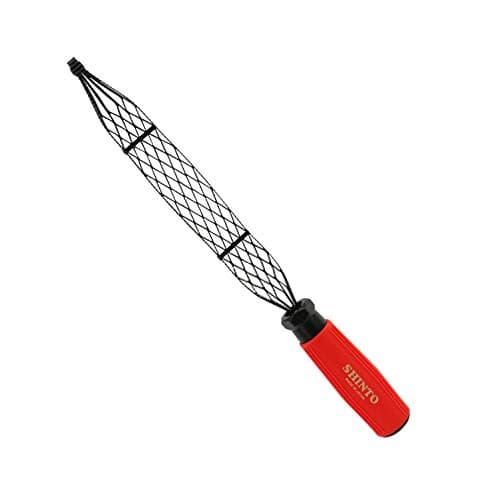
Best Rasps and Files for Woodworking
The shaping tools nobody tells a beginner to buy - five rasps and files compared, what teeth per inch actually means, and why a bare tang is the one thing to fix first.
Our top pick
Shinto Saw File S (E1101), 200 mm
$18.16 · View on AmazonPrice as of October 21, 2026. #ad How we’re funded
How to Use a Chisel
Which way the bevel faces, when to push and when to strike, and the three cuts that cover almost everything a beginner needs a chisel for.
How to Use a Combination Square
One tool does five jobs: square, 45, depth gauge, marking gauge and center finder. The five setups, and the ten-second test that tells you whether yours is accurate.
How to Read a Tape Measure
Counting the little lines, why the hook is supposed to wobble, and the measuring habits that stop two boards marked the same coming out different lengths.
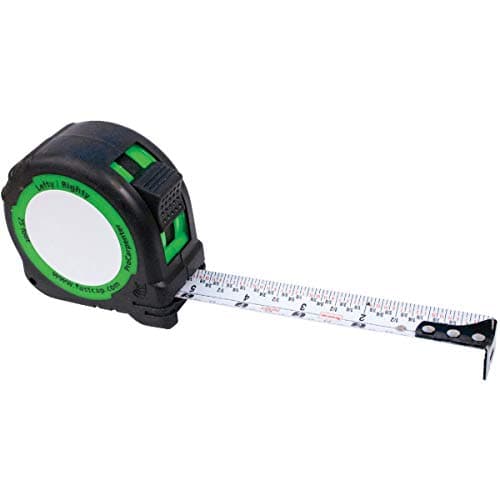
Best Tape Measure for Woodworking
Eight tapes compared on the features a bench needs rather than a jobsite - no-play hooks, reverse scales, write-on pads - plus the legal tolerance a 25 ft tape is allowed.
Our top pick
FastCap PSSR25 ProCarpenter Standard Reverse Measuring Tape, 25 ft
$10.99 · View on AmazonPrice as of October 21, 2026. #ad How we’re funded
How to Use a Japanese Pull Saw
Cutting on the pull stroke changes everything about how you hold, start and steer a saw. The grip, the start, the line — and why you must not force it.