Workshop & Garage
Turning an empty garage into a working shop — the bench to build or buy first, what to wear, and how to lay out a space you share with the car.
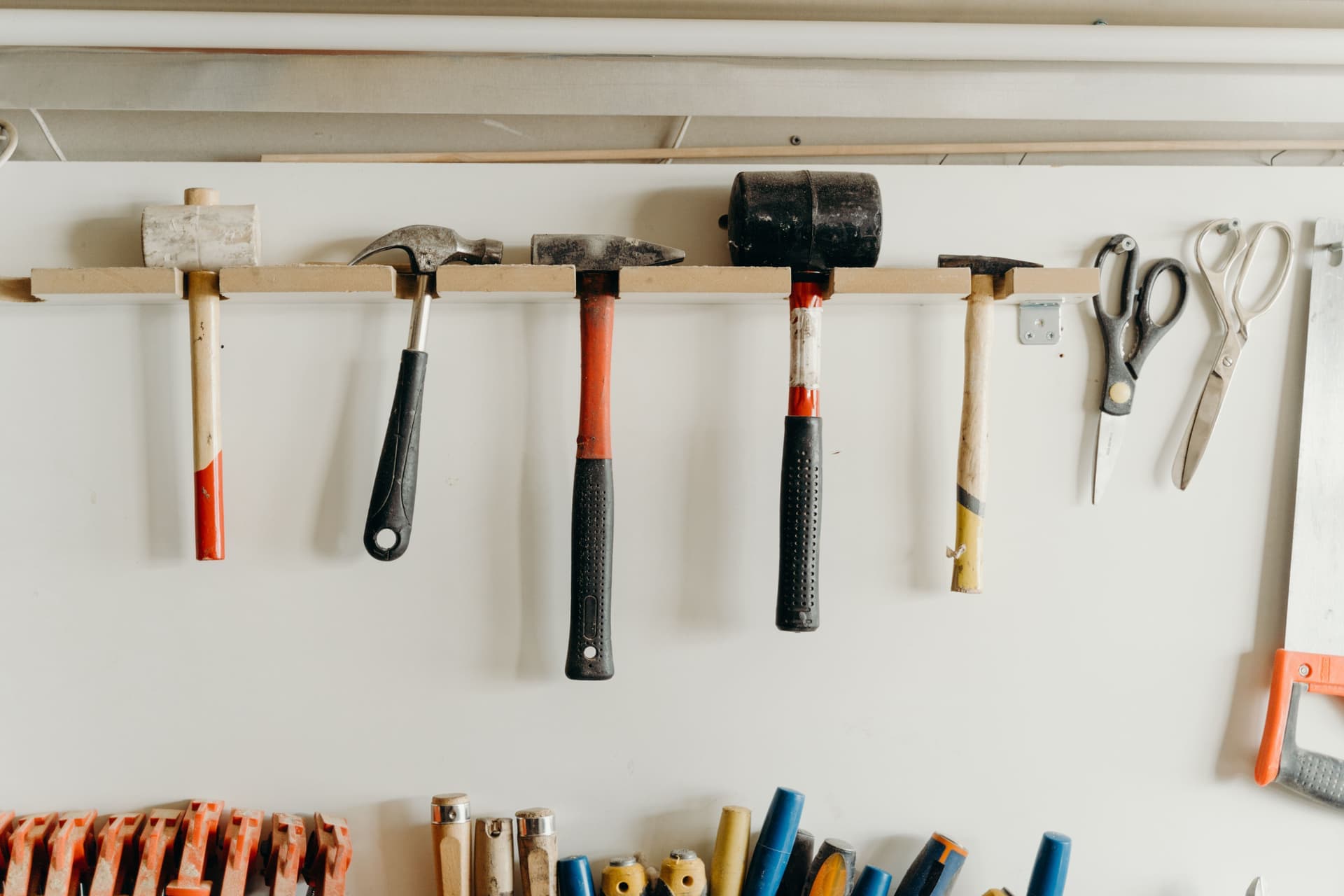
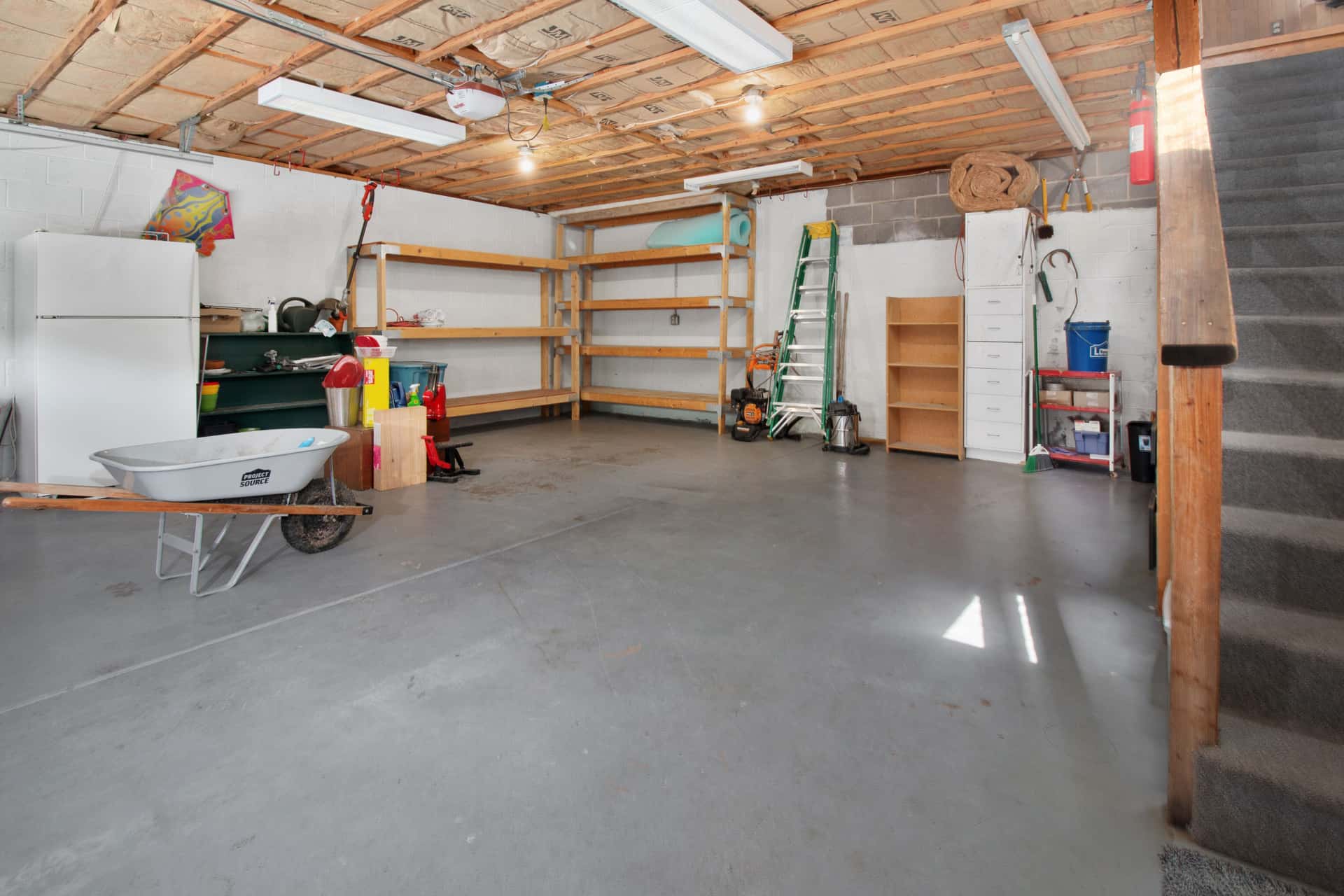
Almost every first woodworking shop is a corner of a garage that still has to fit a car. That is not a limitation to apologize for — it is the normal, honest starting point, and you can build genuinely good work in it. The trick is to set the space up so it works with that constraint instead of against it: a bench that folds away, tools that store on the wall, and a floor you can clear in five minutes when someone needs to park.
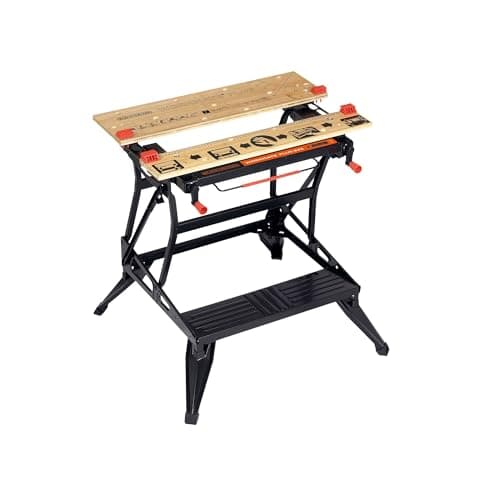
Start with the surface you work on. You do not need a heavy traditional joiner’s bench to begin — in a shared garage, that is often the wrong first buy. A fold-away work table or a clamping folding bench gives you a flat, stable surface that stores against a wall, and it is a fraction of the cost. Our best workbench for beginners guide walks through the realistic options, from a fold-away table to a real hardwood bench, and when each one makes sense.
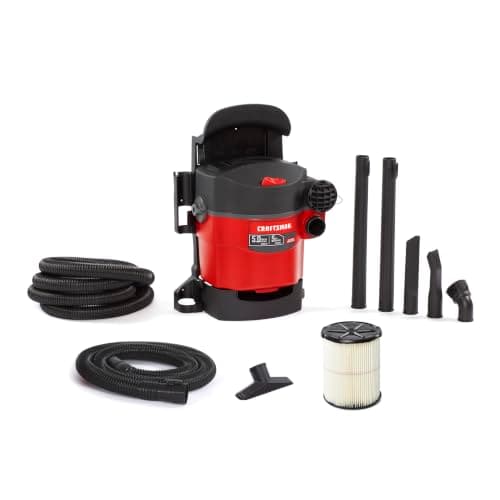
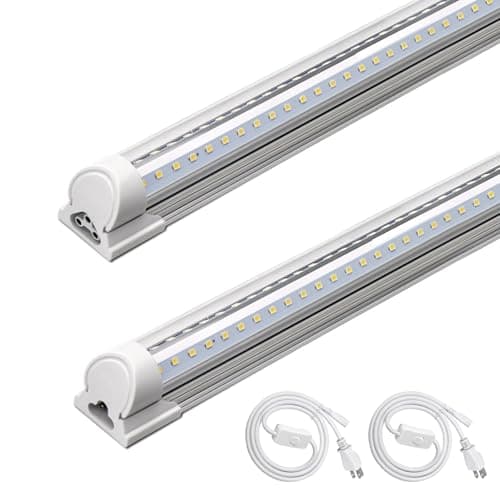
Then think about the four things that quietly make a garage shop pleasant to work in: power(most beginner tools run on an ordinary household circuit — just respect extension-cord limits), light (a couple of cheap LED shop lights change everything), dust (a shop vac and a simple mask go a long way), and storage (a wall of tools beats a pile on the bench). Our step-by-step guide to setting up a garage woodworking shop covers all four on a real budget, in the order that makes sense.
Do not overlook what you wear, either. A shop apron is not essential to make a cut, but a good one keeps a pencil and rule on you at all times, saves your clothes, and makes shop time smoother. If you decide you want one, the best woodworking aprons guide compares waxed canvas, leather and waist styles honestly — including when a cheaper one is the right call.
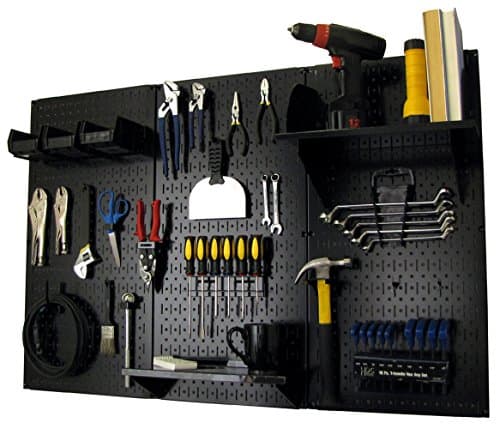
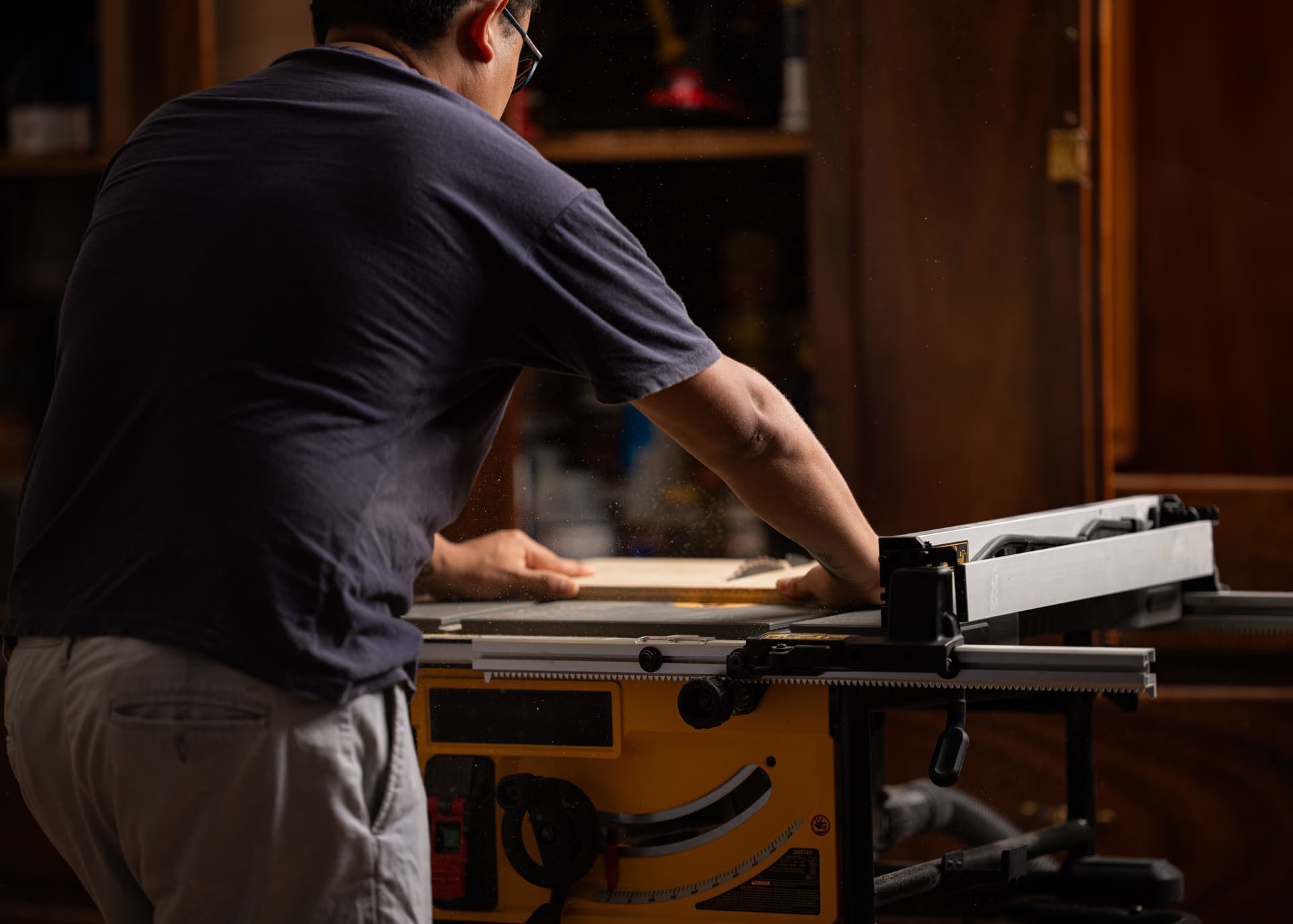
Two things separate a garage that works from one that frustrates you, and neither is a tool. The first is storage— wall space is the only square footage the car cannot reclaim, and our tool storage guide covers pegboard, French cleats and stacking boxes that pack down when the garage has to be a garage again. The second is dust. Fine particulate is the genuine long-term hazard in a home shop, and the fix is cheaper than people expect: our dust collection guide lays out a realistic plan, the shop vacuum picks cover the hardware, and the safety gear guide covers your eyes, ears and lungs. If you read one page before your first powered cut, make it the shop safety basics.
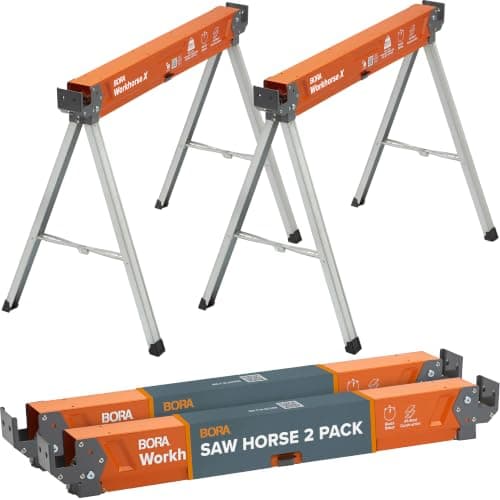
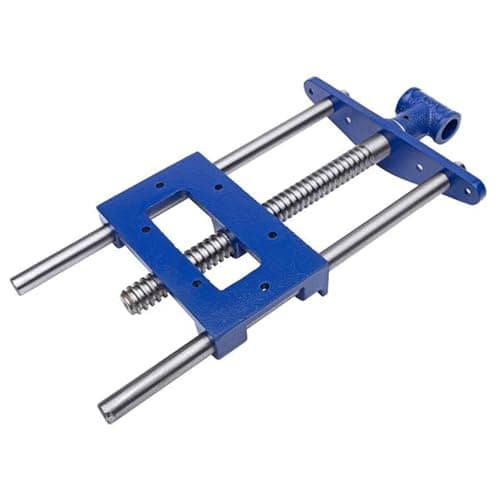
Three things get skipped on every beginner tool list and each transforms a garage. Light— a single ceiling bulb is nowhere near enough to see a knife line or judge a surface before finishing; the shop lighting plan covers how much you need and where to put it, and the work light picks cover the fixtures. Work holding — a pair of sawhorses plus a sheet of plywood is a workbench that folds against a wall, and a bench vise is the difference between holding wood and working it. And somewhere to keep the wood: boards leaned in a corner for three weeks come back bowed, so the lumber storage guide is worth ten minutes before your first delivery.
Two more guides here answer the questions the tile grid does not. If you would rather build a bench than buy one, how to build a simple workbench is a full weekend plan — eight 2x4s, one sheet of plywood, a cut list and the height math. And if you do not have a garage at all, woodworking without a garage covers the apartment, balcony and spare-room versions of everything on this page, including the noise and dust problems nobody warns you about. If the space you have is below ground, the basement shop gear roundup deals with the four problems a basement has and a garage does not — damp, dust travelling into the house, noise through the floor, and no door wide enough for a finished tabletop.
Two of the pages here are about building the shop rather than working in it. Best tools for building garage shelves is the cheap kit for the first thing most people make — storage for the shop itself, out of 2x4s and plywood, with no joinery at all. And how tall should a workbench be settles the one dimension you cannot change afterwards without cutting the legs.
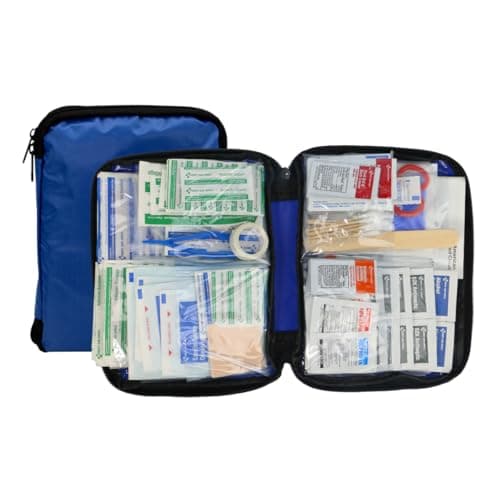
If the space itself is the constraint rather than the budget, there is a tool list written for exactly that: the best woodworking tools for a small shop ranks everything by footprint when idle rather than by capability, which is the rule that actually matters in a bay you have to hand back to the car. And the piece of kit nobody plans for until they need it — a workshop first aid kit — covers what a shop kit needs that a household one does not.
One more principle worth internalizing early: a tidy shop is a safe shop. Off-cuts on the floor are a trip hazard, a cluttered bench hides your tools, and dust builds up faster than you expect. You do not need a magazine-perfect workshop — you need a clear floor, a flat surface, good light, and your tools within reach. Get those right, and the garage you share with the car becomes a place you actually want to spend an evening. Browse the guides below to build it out.
Everything in Workshop
Best Workbench for Beginners
From a fold-away table to a real hardwood bench — the honest first 'bench' for a shared garage, and when to upgrade.
Our top pick
Black+Decker Workmate 825 Portable Workbench
$385.36 · View on AmazonPrice as of October 21, 2026. #ad How we’re funded
Best Woodworking Aprons
Waxed canvas, leather or waist-style — the aprons that keep a pencil and rule on you and save your clothes, compared.
Our top pick
Hudson Durable Goods HDG901 Waxed Canvas Work Apron
$34.99 · View on AmazonPrice as of October 21, 2026. #ad How we’re funded
How to Set Up a Garage Woodworking Shop
A step-by-step plan for a first shop you share with the car — power, light, dust, storage and a bench, on a real budget.
Best Safety Gear for Woodworking
Eyes, ears and lungs — the three things you cannot replace. What to buy first, what the ratings actually mean, and why the cheap stuff here is fine.
Our top pick
3M Peltor Optime 105 (H10A) Over-the-Head Earmuffs
Best Shop Vacuum for a Small Shop
The closest thing a garage shop has to dust collection. Five picks compared, plus the $40 cyclone that makes any of them dramatically better.
Our top pick
Craftsman CMXEVBE17925 5-Gallon 5.0 Peak HP Wet/Dry Vac
$129.99 · View on AmazonPrice as of October 21, 2026. #ad How we’re funded
Garage Tool Storage and Organization
Wall space is the only square footage the car cannot take back. Pegboard, stacking boxes and a layout that survives sharing the garage.
Our top pick
Wall Control 4 ft Metal Pegboard Standard Tool Storage Kit
$120.04 · View on AmazonPrice as of October 21, 2026. #ad How we’re funded
Dust Collection for a Small Shop
Fine dust is the hazard you cannot see and the one that matters most. A realistic plan for a garage, in the order the money should be spent.
Shop Safety Basics for Beginners
The habits that keep all ten fingers: kickback, push sticks, blade guards, and the two rules that prevent most beginner injuries.
Best Sawhorses for a Garage Shop
A pair of horses and a sheet of plywood is a workbench that folds against a wall. Five options compared, including the DIY bracket route.
Our top pick
Bora Workhorse X Folding Metal Sawhorses, 2-Pack
Best Work Lights for a Workshop
The cheapest upgrade in any garage shop. Ceiling fixtures, aimable tripods, bench task lamps and the magnetic light for awkward spaces.
Our top pick
Barrina T8 LED Shop Lights, 4 ft, 40W 5500 lm 5000K, 2-Pack
Best Bench Vise for a Beginner Workbench
A vise is the difference between holding wood and working it. Front vises, quick-release, clamp-on, and the metal vise every wood shop still needs.
Our top pick
Yost Vises F9WW Woodworker's Front Vise, 9 Inch
Garage Shop Lighting: A Plain-English Plan
How much light you actually need, what color it should be, and where to put it — the upgrade nobody puts on a tool list.
How to Store Lumber in a Garage
Wood moves. Stack it wrong for three weeks and straight boards become firewood — the five rules that keep your stock flat and usable.
How to Build a Simple Workbench
A rock-solid 5-foot bench from eight 2x4s and one sheet of plywood. The height math, a full cut list, and a weekend.
Woodworking Without a Garage
An apartment, a balcony, a corner of a spare room. The three real constraints are noise, dust and space — and all three have honest answers.
Best First Aid Kit for a Workshop
The injuries a woodworking shop actually produces, five kits that cover them, and the four things worth adding to whichever one you buy.
Our top pick
First Aid Only 298-Piece All-Purpose Emergency First Aid Kit
$18.14 · View on AmazonPrice as of October 21, 2026. #ad How we’re funded
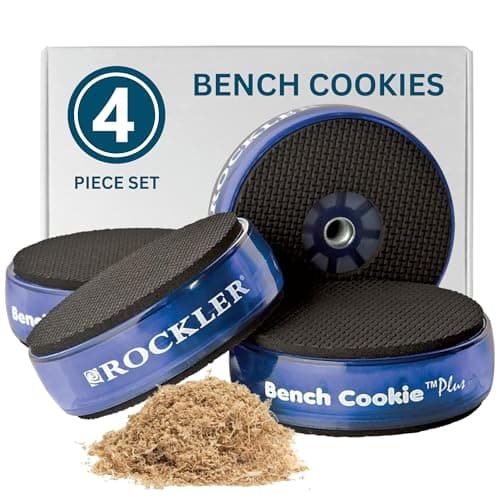
Best Workholding Accessories for a Beginner Bench
Holding the wood is half of woodworking. Dogs, stops, grippers and a vise - what each one solves, and the order to buy them in.
Our top pick
Rockler Bench Cookies Plus Work Grippers, 4-Pack
$20.99 · View on AmazonPrice as of October 21, 2026. #ad How we’re funded
How Much Space Do You Need for a Woodworking Shop?
Real footprints for a bench, a saw and an assembly area, the clearances nobody mentions, and what genuinely fits in half a garage bay.
Garage Shop Power and Extension Cords
Why your saw bogs down on a long cord, what one 15-amp circuit will actually run at once, and the GFCI question every concrete floor raises.
How to Stop Tools Rusting in a Garage
Why rust appears in spring rather than winter, the three-layer defense that stops it, and how to rescue a plane that already went orange.
Heating and Cooling a Garage Workshop
Glue and finish have minimum temperatures, and a garage in February does not meet them. What to do about winter, summer and the condensation between.
Best Fire Extinguisher for a Workshop
What the numbers on an extinguisher mean, why most garage extinguishers cannot touch a wood fire, and the six things that make a shop survivable.
Our top pick
First Alert HOME2PRO Rechargeable Fire Extinguisher (FE2A10GR)
Best Woodworking Tools for a Small Shop
Chosen for a shop that has to fold away: seven tools that do full-size work in a one-car garage, store on a wall, and leave room for the car.
Our top pick
Black+Decker Workmate 825 Portable Workbench
$385.36 · View on AmazonPrice as of October 21, 2026. #ad How we’re funded
Best Tools and Gear for a Basement Woodworking Shop
A basement has four problems a garage doesn't: damp, dust that goes upstairs, noise through the floor, and no door wide enough. Six picks that solve them.
Our top pick
Eva-Dry E-500 Renewable Silica Gel Dehumidifier
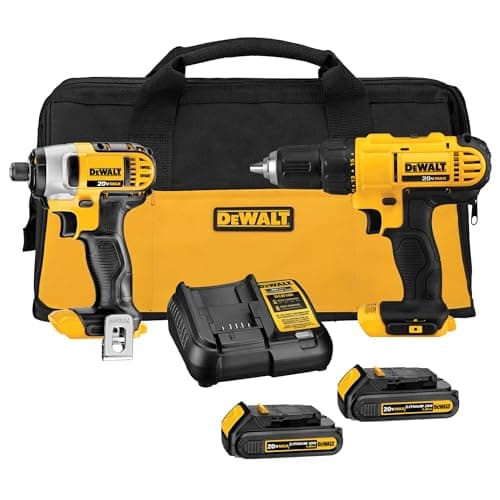
Best Tools for Building Garage Shelves
The first thing most people build is storage for the shop itself. Six picks for 2x4-and-plywood shelving — no joinery, no table saw, nothing precious.
Our top pick
DeWalt DCK240C2 20V MAX Drill/Driver + Impact Driver Combo Kit
How Tall Should a Workbench Be?
The wrist-height rule, why hand-tool benches sit lower than assembly benches, and how to test a height with a stack of plywood before you build anything.