How to Stop Tools Rusting in a Garage
Why rust appears in spring rather than winter, the three-layer defense that stops it, and how to rescue a plane that already went orange.
How this is funded: we earn a commission if you buy through our links, at no extra cost to you. It never changes which tool we recommend, and we’ll tell you plainly when to skip one. Full disclosure.
You put the tools away in November with a clean conscience. In March you open the box and there is a film of orange across the chisel backs, a bloom on the table saw top, and a plane sole that has gone from bright to brown.
This is the most predictable problem in garage woodworking, and the reason it surprises people every year is that the mechanism is not intuitive. Rust is not caused by cold, and it is not caused by rain. It is caused by warm air meeting cold metal.
What is actually happening
Air holds water vapor, and warm air holds far more of it than cold air. When warm, humid air touches a surface that is below its dew point, the water comes out of the air and onto that surface as liquid. It is the same physics that puts beads on the outside of a cold glass.
A garage is very good at producing this. Concrete floors and heavy cast iron machines have enormous thermal mass, so they lag well behind the air temperature — sometimes by days. On the first warm damp day of spring, the air outside is fifteen degrees warmer than your table saw top, and the moment the door opens, that top sweats.
That is why the rusty-tools season is spring rather than deep winter. It is also why intermittently heating a garage can make things worse: heating the air quickly while the metal stays cold is exactly the condition that causes condensation.
The three-layer defense
No single measure solves this. Three cheap layers, stacked, do.
Layer 1: manage the air
- Seal the floor. Bare concrete wicks moisture up from the ground continuously. A concrete sealer, or even a plastic sheet under a storage area, cuts a surprising amount of the humidity in a garage.
- Do not open the door on the first warm day. Counter to instinct, but letting warm damp air onto cold metal is the event you are trying to avoid. Wait until the metal has caught up.
- Move air when it is dry. A fan or an open door on a dry, breezy day genuinely helps; the same thing on a humid day makes it worse.
- Do not dry wet lumber next to your tools. A stack of fresh boards releases a lot of water as it acclimates. Our lumber storage guide covers stacking, and a moisture meter tells you whether a board is still giving up water.
Layer 2: coat the steel
This is the layer that does most of the work, and the important thing is that different surfaces need different coatings.
- Cast iron tops and plane soles — a drying film. Paste wax or a corrosion inhibitor that dries to a waxy layer. It must not stay wet, because anything wet on a saw table transfers to your workpiece and then shows up under the finish. Wax has a second benefit here: it noticeably reduces friction, so boards slide more easily.
- Blades, chisels, plane irons, saw plates — a thin non-drying oil. Camellia oil is the traditional choice: thin enough not to gum a plane mouth or a saw kerf, stable, and without the smell of a machine oil. A few drops on a rag, wiped over the steel at the end of a session.
- Screws, adjusters and moving parts — a light spray lubricant that also inhibits corrosion. This is where a product like a waxy-film corrosion inhibitor does double duty.
Do this at the end of a session, not once a year. It takes about ninety seconds, and hands leave salt and moisture on steel — a tool handled and put away untouched will show fingerprints in rust weeks later.
Layer 3: close the box
A closed toolbox, drawer or cabinet is a small, fixed volume of air, and that makes it a problem you can actually win. A renewable desiccant cartridge in a closed box keeps the humidity down inside it indefinitely and recharges by being plugged in for a few hours.
The same product does nothing for the room, because a garage exchanges air with the outside constantly. This is the distinction people get wrong: buy desiccant for boxes, not for bays.
A basement is the one space where that calculation changes, because it is far closer to a sealed volume than a garage is — which makes both the rust risk and the fix different. Best gear for a basement woodworking shop covers it, including using the desiccant’s own indicator window as a cheap test of whether you have a damp problem at all.
Closed storage also keeps sawdust off tools, and sawdust matters here — it holds moisture against steel like a damp sponge. Our storage guide covers cabinets versus open pegboard, and in a damp garage the closed option is worth the money.
Rescuing a tool that has already rusted
Surface rust is cosmetic and comes off. Pitting — where the rust has eaten into the surface and left craters — is permanent, and the goal becomes stopping it rather than removing it.
- Start with the least aggressive method. An abrasive rubber rust-eraser block takes light surface rust off without cutting into the steel. On a plane sole or a chisel back this is usually all you need.
- Step up to abrasive paper on a flat block. Wet the surface with a little oil, work through the grits, and keep the block flat — this matters especially on a plane sole, where a rounded surface is worse than a rusty one. See how to flatten a plane sole.
- Avoid the wire wheel on precision surfaces. It is fast and it leaves a scratch pattern and rounded edges. Fine for a rusty clamp, wrong for a plane sole or a saw table.
- Clean off every trace of residue. Rust particles left behind seed the next round.
- Protect it immediately. Freshly cleaned bare steel rusts faster than the oxidized surface you just removed. Wax or oil it before you put it down.
If you are buying second-hand, this is the whole calculation: light surface rust is a discount, deep pitting on a working surface is a reason to walk away. Our guide to buying used tools covers the inspection.
Two things a garage will also do to you
Rust gets the attention, but cold garages cause two other problems worth knowing about.
Water stones crack if they freeze. A soaked water stone left in a freezing garage is likely to be destroyed — the water inside expands. Bring stones indoors over winter, or use diamond plates instead, as covered in our sharpening stone guide.
Glue and finish have minimum temperatures. Most PVA wood glues and water-based finishes stop working properly below a stated temperature, and a joint glued too cold may never reach full strength. See heating and cooling a garage workshop and wood glue explained.
The kit, and it is cheap
| Tool | Why you need it | Price |
|---|---|---|
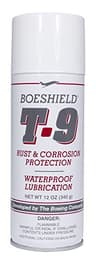 | Dries to a waxy film, so it protects a saw table or a plane sole without transferring onto your work. | $22.99 |
 | A few drops on a rag, wiped over chisels, irons and saw plates at the end of a session. | $15.80 |
 | The cheapest protection for cast iron, and it makes boards slide across the table noticeably better. | $14.29 |
 | Renewable desiccant for a closed toolbox or cabinet — where it works, unlike in an open bay. | $33.48 |
 | Takes light surface rust off steel without the gouging a wire wheel leaves behind. | $9.88 |
 | Finds the damp wall or floor that is causing the problem, and tells you when lumber has acclimated. | $39.98 |
| Starter kit subtotal | $136.42 | |
Live Amazon prices as of October 21, 2026; they change, and we don’t display stale numbers — a tool with no live price shows “Check price” and is left out of the subtotal. #ad How we’re funded.
The ninety-second routine
At the end of every session: brush the sawdust off, wipe the blades with an oily rag, and close the box. Once a season: wax the cast iron.
That is it. It is the difference between opening the toolbox in March to bright steel and opening it to a job you were not planning on doing.
Frequently asked questions
Why do my tools rust in the garage but not in the house?
Condensation. A garage is unheated, so the concrete floor and heavy cast iron tools stay cold long after the air outside warms up. When warm, humid air meets a cold steel surface, moisture condenses onto it — the same way a cold drink sweats. A heated house never gets that temperature difference, so the same tools stay dry.
Why do tools rust more in spring than in winter?
Because rust needs both moisture and a temperature difference, and spring provides both. Cold winter air holds very little water. In spring, warm damp air arrives over a floor and machines that are still at winter temperature, and everything sweats. Most people discover a rusty table saw top in March, not January.
What is the best rust prevention for woodworking tools?
Different coatings for different surfaces. Paste wax or a drying corrosion inhibitor on cast iron tops and plane soles, because they must not transfer oil onto your workpiece. A thin non-drying oil such as camellia on blades and saw plates. Desiccant inside closed toolboxes. Doing all three is what actually works.
Will WD-40 stop tools rusting?
Only briefly. It is a water-displacing penetrant, so it is genuinely useful for driving moisture off a wet tool, but it evaporates and leaves very little protective film behind. Use it to displace water after a soaking, then apply an actual corrosion inhibitor or wax on top.
How do you remove rust from a hand plane?
Start with the least aggressive method. An abrasive rubber rust-eraser block removes light surface rust without gouging. For heavier rust, fine abrasive paper on a flat block with a little oil, working up through the grits. Clean off the residue, dry it thoroughly, and apply protection immediately — bare, freshly cleaned steel rusts faster than it did before.
Does a dehumidifier stop tools rusting?
A powered dehumidifier works in a sealed, insulated space and does very little in a typical drafty garage, because it is effectively trying to dry the outdoors. The small renewable desiccant cartridges are the opposite: useless for a room, genuinely effective inside a closed toolbox or cabinet where the volume of air is fixed.
Sources
- The Wood Database — Wood and moisture — How boards take on and give up moisture, and why lumber must acclimate before it is built with (accessed August 19, 2026)
- USDA Forest Products Laboratory — Wood Handbook (FPL-GTR-190) — The U.S. government reference on wood as an engineering material (accessed July 24, 2026)
- The Wood Database — Reference data on species, hardness, workability and movement (accessed July 24, 2026)
Keep reading
Heating and cooling a garage workshop
The temperature side of the same problem, and why intermittent heating can make rust worse.
Read the guideBuying used woodworking tools
Which rusty bargains are worth rescuing and which are pitted past saving.
Read the guideHow to flatten a plane sole
The next step after de-rusting a second-hand plane — sandpaper on glass, step by step.
Read the guideGarage tool storage and organization
Closed storage is the third layer of rust defense. Cabinets, cases and pegboard compared.
See the picksBest sharpening stones for beginners
Water stones mean water on the bench — and a freezing garage will destroy one.
See the picksHow to store lumber in a garage
The same humidity that rusts tools moves your lumber. How to stack it so it stays flat.
Read the guide