Start Here
New to all of this? Start here. The tools to buy first, the ones to skip, what it actually costs, and whether to begin with hand tools or power tools.
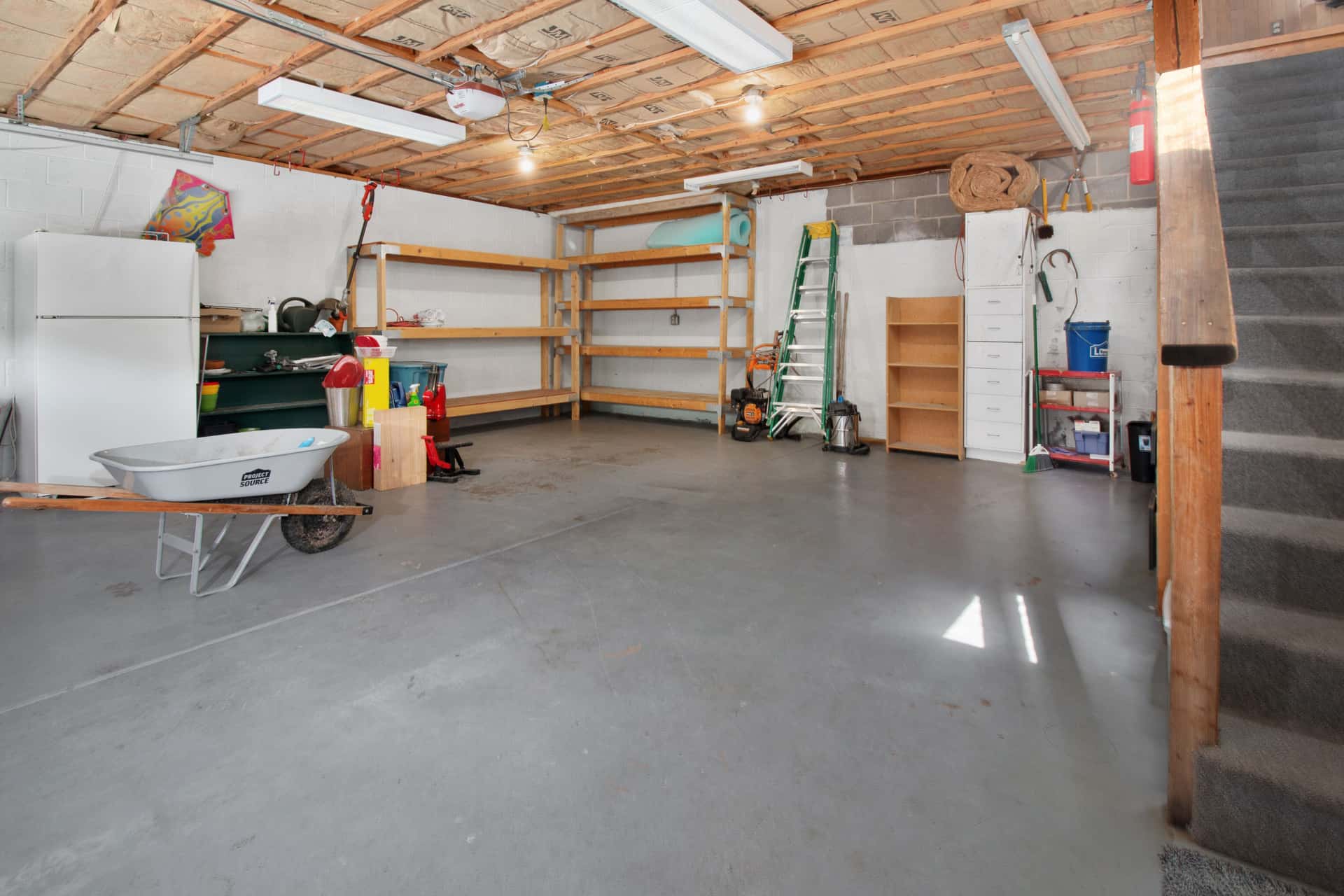
If you have been standing in an empty garage wondering where to even begin, this is the page for you. Woodworking looks like it demands a wall of expensive machines and a decade of experience. It does not. It demands a handful of well-chosen tools, a safe place to use them, and the willingness to make a few mistakes on cheap wood. Everything on Grain & Glue is built to get you from that empty garage to your first real cut without wasting money on things you do not need yet.
The single biggest trap for a beginner is buying too much, too soon. Tool marketing is very good at convincing you that you need a table saw, a planer, a jointer and a forty-piece bit set before you can build a birdhouse. You do not. Most of what makes a beginner’s work look clumsy is not a missing machine — it is a dull blade, an out-of-square line, or a joint clamped badly. Fix those with a small kit of good hand tools and you will build more, and better, than someone who spent ten times as much.
So the plan here is deliberately modest. Start with the eight-tool starter kit— eye protection, a tape measure, a square, chisels, a hand saw, clamps, a block plane and a mallet. That is a complete, genuinely capable set for well under the price of a single mid-range power tool. Learn to use and sharpen those, build a couple of small projects, and only then add power tools, one at a time, when a specific job asks for one.
We are also upfront about money. Most sites tell you what to buy and go quiet on the total. We show you exactly what it costs to start, priced from live retail data, across three honest budgets — bare-minimum, sensible, and comfortable. And our printable tools list lays the whole kit out with a running total so there are no surprises.
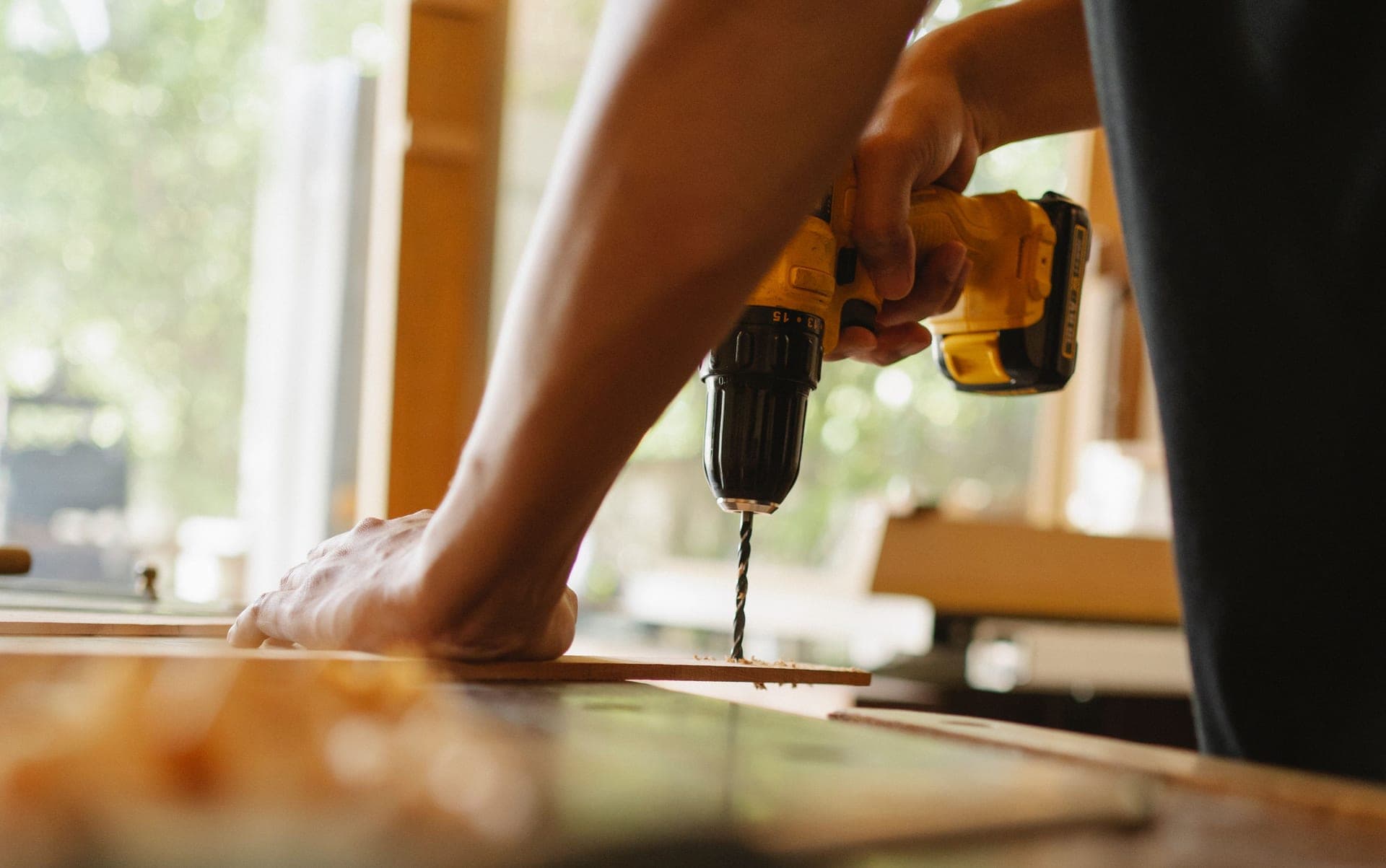
Not sure whether to lean toward hand tools or power tools? That is the most common beginner question, and we answer it plainly in hand tools vs power tools. The short version: start mostly with hand tools — they are cheaper, safer, quieter, and they teach you how wood actually behaves — then add the one power tool almost everyone benefits from, a cordless drill, and grow from there.
Worried the whole thing costs too much to begin? It genuinely does not — our best woodworking tools under $100 roundup builds a complete working kit where every pick sits in the budget bracket. And if you are here shopping for somebody else rather than yourself, the gifts for beginners guide is written for exactly that — picks that land without duplicating what they have already bought.
The other half of buying well is knowing what not to buy. Most beginner budgets are eaten by a big machine bought before there was a project that needed it, and our list of tools you don’t need yet names twelve of them — with what to use instead, and the honest signal that says you are finally ready for each one.
There is also a second-hand route, and in this hobby it is a genuinely good one — a hand plane or a set of chisels has almost nothing in it that can wear out, and old ones are often better steel than new budget ones. Our guide to buying used woodworking tools covers what holds up second-hand, what never does, and the two-minute inspection that tells you which one you are holding.
Two questions come up the moment the list is settled, and both have their own page. Where to buy woodworking tools covers online against home center against specialist dealer — including the three tools you should never buy sight unseen. And if the powered half of the list is what you are stuck on, the best first power tools to buy puts five of them in a buying order rather than a pile.
Two seasonal notes. If you are shopping for somebody else, our gifts and deals hub has guides by budget and by recipient, each written for someone who does not know the hobby. And if you are wondering whether the tools above will be cheaper in November, the Black Friday and Cyber Monday deals hub gives the honest answer per product class — what historically goes on sale, what does not, and what to just buy now.
One rule that is never optional, no matter how tight your budget: wear eye protection every single time a tool touches wood. It costs about as much as a coffee and it is the cheapest insurance you will ever buy. Everything else on this site is a preference. That one is a rule. Ready? Pick a tile below and start building.
Everything in Start Here
Best Woodworking Tools for Beginners
The complete starter kit, ranked — the eight tools that take you from an empty garage to your first real cut, with live prices.
Our top pick
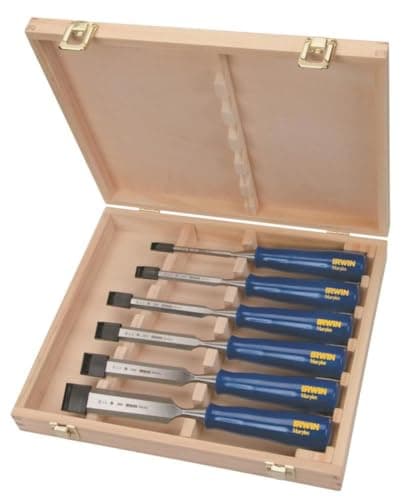
Irwin Marples 6-Piece Bench Chisel Set (M444)
$69.99 · View on AmazonPrice as of October 21, 2026. #ad How we’re funded
The Beginner Woodworking Tools List
A printable checklist grouped by hand tools, power tools and safety — with a running total so you know the cost before you start.
How Much Does It Cost to Start Woodworking?
Real numbers for three starter budgets — bare-minimum, sensible, and comfortable — priced from live retail data.
Hand Tools vs Power Tools for Beginners
Which should a beginner start with? The honest answer, and how to split your first budget between the two.
Best Woodworking Tools Under $100
The whole first kit, every pick under a hundred dollars — proof that the barrier to starting is far lower than the internet suggests.
Our top pick
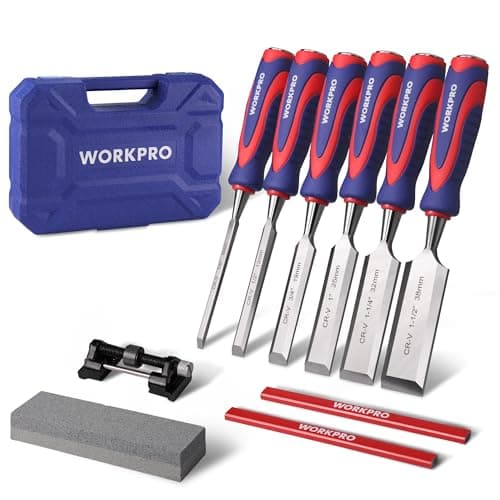
WORKPRO 10-Piece Wood Chisel Set
$26.77 · View on AmazonPrice as of October 21, 2026. #ad How we’re funded
Best Woodworking Gifts for Beginners
What to buy the person who just said they want to start woodworking — picks that land whether they own nothing or already own the basics.
Our top pick
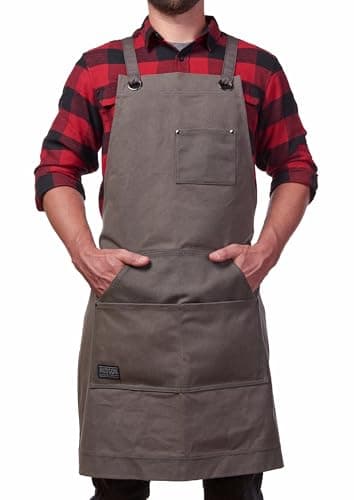
Hudson Durable Goods HDG901 Waxed Canvas Work Apron
$34.99 · View on AmazonPrice as of October 21, 2026. #ad How we’re funded
Woodworking Tools You Don't Need Yet
Twelve tools beginners are told to buy and should delay — what to use instead, and the honest signal that says you're finally ready for each one.
Buying Used Woodworking Tools
Which tools are a bargain second-hand and which are a trap — plus the two-minute inspection that tells you which one you're holding.
How to Start Woodworking
A first-90-days plan for an empty garage: what to buy in week one, what to build, and the order that stops beginners quitting.
Where to Buy Woodworking Tools
Online, home center, specialist dealer or second-hand - which tools to buy where, and the three you should never buy sight unseen.