Three water-based topcoats and the brush they require - judged on recoat time, published coverage, what they do to pale wood, and the one warning the premium can prints on its own label.
How this is funded: we earn a commission if you buy through our links, at no extra cost to you. It never changes which tool we recommend, and we’ll tell you plainly when to skip one. Full disclosure.
The short answer. Buy Minwax Polycrylic and a 2 in synthetic brush. Buy Varathane Water-Based Ultimateinstead if you want the fastest cycle on the page — it is the only can here that publishes a touch-dry time, 30 minutes. Buy a pint of General Finishes High Performance for one piece you care about: a tabletop, a painted dresser, anything that will be handled daily. All three are interior finishes and none of them belong on an outdoor bench.
The honest reason to choose water-based has nothing to do with durability claims: it does not amber, and it does not stink. Oil-based polyurethane adds a warm yellow cast that flatters walnut and ruins maple, ash, birch and white paint. And it off-gasses for days, which is a problem when the shop is the garage attached to the house. Those two facts decide most real purchases.
The lens, in order. Colour effect first— pale wood or paint means water-based, full stop. Schedule second: published recoat windows, because three coats in a day is only possible if the can says so. Brush compatibility third, which the makers themselves treat as a specification rather than advice. Coat count last— Minwax asks for three coats of Polycrylic against two of their oil-based poly, which eats into the time saving.
Every number quoted on this page comes from the product listing or the maker’s own page, and the prices on the cards are from the live feed as of November 23, 2026. For the oil-versus-water decision across all ten finishes we stock, see best polyurethane for wood.
Quick picks
Ranked on the specs that matter for a beginner and honest buyer fit. Select a row to jump to the full write-up. We haven’t hands-on-tested these — here is exactly what we do instead.
The water-based answer, and the right one over any light wood or any white-ish paint. Non-yellowing, low odor, recoat in two hours, soap and water cleanup - everything oil-based polyurethane is not. It pays for that with a thinner film and a faster set, which is why it needs a synthetic brush and a lighter hand.
The other mass-market water-based poly, and the only one on this page that publishes a touch-dry time: 30 minutes. If you are finishing in a cold garage and want the piece out of the way tonight, this is the fastest-cycling can here. The published coverage is the catch.
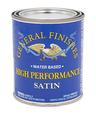
General Finishes High Performance Water Based Topcoat, Satin, 1 Pint
The upgrade can, sold through woodworking suppliers rather than hardware aisles, and the one furniture refinishers reach for over paint. It costs several times a hardware-store quart per ounce and the listing's headline durability claim is unproven marketing - but its one-to-two-hour recoat is the fastest published here, and a pint is the right size for one piece.
Wooster 5221-2 Silver Tip Angle Sash Paintbrush, 2 in
The other half of the pair, and the cheapest pick on this page. Minwax's water-based Polycrylic says to use "a high-quality, synthetic bristle brush" - this is 100% polyester, angled for cutting in, with a stainless ferrule that will not rust from the water it is about to spend its life in.
The water-based answer, and the right one over any light wood or any white-ish paint. Non-yellowing, low odor, recoat in two hours, soap and water cleanup - everything oil-based polyurethane is not. It pays for that with a thinner film and a faster set, which is why it needs a synthetic brush and a lighter hand.
Strengths
+Non-yellowing and non-ambering by the maker's own description, so pale woods stay pale
+Two-hour recoat and water cleanup - three coats in a day is realistic, which oil-based poly cannot do
+Rated by Minwax for use over all their oil-based AND water-based stains, so it is the safe topcoat whatever you colored the wood with
+Low odor, which is what makes it the only sane choice for finishing indoors in winter
Trade-offs
−Sets fast, so brush marks and a dry edge are permanent in a way they are not with oil-based poly - keep a wet edge or wipe it instead
−Needs a synthetic bristle brush; a natural bristle brush swells in water and ruins the surface, and the brush you bought for the oil-based can will not do
−Minwax recommends THREE coats here against two for the oil-based, so the labor saving is smaller than the recoat time suggests
−Milky in the can and slightly cool on the wood, so it will not give pine the amber glow people picture when they say "varnished"
Worth knowing. The listing states it "protects against scratches, spills, dirt and more", that the crystal clear finish "is ideal for use over all Minwax Oil-Based and Water-Based Stains and colors, as well as all wood species including light woods like maple, ash and birch", that it is "non-yellowing, non-ambering and low odor", that it "allows for quick recoats after 2 hours", and to "Be sure to apply with a high-quality synthetic bristle brush". Product-info color "Clear", size "32 fl oz"; part number and model 63333444; 2.25 lb. Minwax's own product page adds dry time "3 hour - 24 hour", coverage 125 ft2/quart, "Three coats are recommended" and "Stir well before and regularly during use. DO NOT SHAKE." No film-thickness or abrasion-test figure is published anywhere.
Specs read from the product listing, on November 6, 2026. “Not listed” means the listing doesn’t state that figure.
The other mass-market water-based poly, and the only one on this page that publishes a touch-dry time: 30 minutes. If you are finishing in a cold garage and want the piece out of the way tonight, this is the fastest-cycling can here. The published coverage is the catch.
Strengths
+Publishes both numbers that matter for scheduling - dry to the touch in 30 minutes, recoat after 2 hours
+Water-based formula with soap and water cleanup, same as Polycrylic, with the same non-yellowing behavior on light woods
+Sold as crystal clear interior protection for furniture, windows, cabinets and trim, which is exactly the small-shop list
+Satin sheen, which is the forgiving one on a brushed film
Trade-offs
−Published coverage is "up to 125 sq. ft." and the same listing photo sells half-pints, so check the size field before you buy
−Fast dry cuts both ways: the open time is short enough that brush marks set before you can go back over them
−The listing's only durability claim is "outstanding stain and scratch resistance" with no test, standard or film-thickness figure behind it
−No published coat count, so you are guessing at two or three - plan for three on a tabletop
Type
Water-based brush-on polyurethane
In the set
Single tool
Material / build
Water-based polyurethane
Key spec
Quart; satin; dry to touch 30 min, recoat 2 h; up to 125 sq ft
Best for
Best fast-drying water-based option
Worth knowing. The listing states it "Protects indoor wood surfaces such as furniture, windows, cabinets, trim and more", that the "Water based formula dries fast and cleans up with soap and water", that it "Dries to the touch in 30 minutes with coverage up to 125 sq. ft., recoat after 2 hours", and that the "Durable formula provides outstanding stain and scratch resistance with excellent clarity". Product-info color "Satin", size "Quart (Pack of 1)"; part number and model 200241H; warranty "Satisfaction Guaranteed"; 2.2 lb. No coat count, no film build and no abrasion standard is published, and no brush type is specified - the synthetic-bristle rule for a water-based finish comes from Minwax's Polycrylic page, not from this listing.
Specs read from the product listing, on November 6, 2026. “Not listed” means the listing doesn’t state that figure.
#3Best upgrade for one piece
General Finishes High Performance Water Based Topcoat, Satin, 1 Pint
The upgrade can, sold through woodworking suppliers rather than hardware aisles, and the one furniture refinishers reach for over paint. It costs several times a hardware-store quart per ounce and the listing's headline durability claim is unproven marketing - but its one-to-two-hour recoat is the fastest published here, and a pint is the right size for one piece.
Strengths
+Dry time between coats of only 1 to 2 hours, the fastest published recoat on this page
+Water-based and interior-rated, so it goes over water-based stains and paints without a barrier coat
+A pint is the right size for one piece of furniture - a quart of a premium finish usually skins over before you use it
+Sold in satin, flat and dead flat as well, so a low-sheen look does not mean rubbing out a gloss
Trade-offs
−"The hardest, most durable consumer polyurethane top coat on the market today" is the listing's claim with no test, standard or number attached, and nothing here verifies it
−The listing's own first bullet is a warning: do not apply clear topcoats over bright white paint "as yellowing may occur", and light paints may yellow too
−Interior use only, so it is the wrong can for a door, a bench or anything that sees weather
−Priced per pint about what a hardware-store quart costs, and stock read "Only 10 left" on the day it was checked
Type
Premium water-based topcoat
In the set
Single tool
Material / build
Water-based polyurethane (acrylic)
Key spec
1 pint; satin; dry between coats 1-2 h; interior only
Best for
Best upgrade topcoat for a tabletop or painted piece
Worth knowing. The listing's four bullets, in full: "Do not apply clear topcoats over bright white paint, as yellowing may occur due to a reaction to the substrate. Light color paints may also experience yellowing due to topcoat application, but it will less noticeable"; "The hardest, most durable consumer polyurethane top coat on the market today"; "Dry Time Between Coats is only 1 to 2 Hours"; "Interior use only". Product-info color "Satin", size "1 Pint"; part number and model PTHS; brand General Finishes; 1.2 lb. Availability read "Only 10 left in stock - order soon" when this entry was written. NOTHING on this listing supports the hardness claim - no abrasion test, no film thickness, no coverage figure, no coat count and no brush instruction - and this site does not repeat it as a spec.
Specs read from the product listing, on November 6, 2026. “Not listed” means the listing doesn’t state that figure.
#4Best brush to apply it
Wooster 5221-2 Silver Tip Angle Sash Paintbrush, 2 in
The other half of the pair, and the cheapest pick on this page. Minwax's water-based Polycrylic says to use "a high-quality, synthetic bristle brush" - this is 100% polyester, angled for cutting in, with a stainless ferrule that will not rust from the water it is about to spend its life in.
Strengths
+100% polyester filaments, which is the synthetic bristle a water-based finish label asks for
+Angled sash head, so it reaches into an inside corner and along a narrow rail without loading the adjacent face
+Stainless steel ferrule - the right choice for a brush washed in water after every use
+Cheapest brush here by a clear margin, which makes owning both bristle types painless
Trade-offs
−Polyester is the wrong bristle for oil-based polyurethane and varnish; it will apply them, but not as well as natural bristle
−Sold and marketed as a paint brush - the bullets talk about latex and oil paints and coatings, not about clear finishes on furniture
−2 in angled is a trim brush, so it is slow going on a tabletop where a 3 in flat brush would be quicker
−No published filament length, taper or density, so the "soft, flexible" claim is unquantified
2 in angle sash; 100% polyester bristle; for water-based finishes, latex and oil paint
Best for
Best for water-based polyurethane and Polycrylic
Worth knowing. The listing states "SOFT POLYESTER FILAMENTS: Features 100% CT polyester bristles designed to deliver smooth, even coverage with minimal brush marks", "Soft, flexible filaments provide excellent leveling and controlled paint application", "WORKS WITH ALL PAINTS: Suitable for latex and oil-based paints", "PRECISION ANGLE SASH DESIGN: Angled brush head allows for accurate cutting-in along edges, corners, trim, and detailed surfaces" and "a corrosion-resistant stainless-steel ferrule and comfortable hardwood handle". Part number E5221-2, model 5221-2. The water-based pairing is the FINISH maker's instruction: Minwax specifies "a high-quality, synthetic bristle brush" for Polycrylic.
Specs read from the product listing, on October 30, 2026. “Not listed” means the listing doesn’t state that figure.
Why water-based wins on pale wood and paint
Oil-based polyurethane contains oils that yellow as they cure and keep yellowing for years. On walnut or cherry that reads as warmth. On maple, ash, birch, poplar and anything painted a light colour it reads as dirt — and it is not reversible without stripping. A water-based acrylic film stays clear, which is the single reason it exists in the hardware aisle.
There is one trap, and the premium can is the one that warns you about it: General Finishes’ own first bullet says do not apply clear topcoats over bright white paint, as yellowing may occur, adding that light paints may yellow too, if less noticeably. That is a reaction with the substrate rather than ambering of the film, and it applies to water-based topcoats as well. Over bright white, the honest answer is to leave the paint uncoated or test on a sample board first.
The other half of the argument is the smell. Low odour is why a water-based finish can be brushed in a garage in January with the door shut. If you are spraying anything at all, the ventilation rules change entirely — see our guide to applying a wood finish before you start.
Recoat windows, coverage and what the cans publish
Varathane Water-Based Ultimatepublishes both numbers that matter for scheduling: dry to the touch in 30 minutes, recoat after two hours, with coverage “up to 125 sq. ft.” If the piece has to be out of the way tonight, it is the fastest-cycling can here. The catches are honest ones: the fast open time means brush marks set before you can correct them, the coverage figure is an “up to” number, and the listing publishes no coat count, so you are guessing at three.
General Finishes High Performancepublishes the fastest recoat of all — one to two hours — and is sold as a pint, which is the right size for one piece of furniture; a quart of a premium finish usually skins over before you finish it. Its headline claim, that it is “the hardest, most durable consumer polyurethane top coat on the market today”, carries no test, standard or figure behind it, and we are not going to pretend otherwise. It is also interior use only.
None of the three is an exterior finish. For a door, a gate or anything that sees weather you want a spar urethane with UV additives, which our finishes overview covers alongside the oils and waxes.
The brush is a specification, not an accessory
Minwax does not suggest a synthetic brush for Polycrylic, it instructs one — and the reason is physical. Natural bristle is protein; it absorbs water, swells, loses its taper and starts shedding, which drags a ragged film across your work. The brush you bought for oil-based poly is the wrong brush for this can, and a second brush costs less than one ruined tabletop.
Three application habits that matter more with water-based than with oil. Thin coats, because a thick coat sets with the brush marks still in it. One direction, finishing with a single light pass along the grain. And a light scuff between coats with a synthetic pad rather than steel wool — steel fibres rust under a water-based film and show as black specks.
Our brush roundup compares all of them, including the foam brushes that are a perfectly reasonable answer for a small project you do not want to clean up after.
The one to buy
Minwax Polycrylic for the first project and most projects after it. The Varathane if your bottleneck is calendar time rather than money. The General Finishes pint for the one piece in the house that gets handled every day, where the faster recoat and the smaller can both make sense. And whichever can you buy, buy the synthetic brush in the same order — it is the cheapest item on this page and the one most likely to change the result.
Frequently asked questions
What is the best water-based polyurethane?+
Minwax Polycrylic for most work. Minwax publishes a two-hour recoat, 125 sq ft per quart and a three-coat system, rates it over all their oil-based and water-based stains and over light woods like maple, ash and birch, and describes it as non-yellowing and low odour. It sets fast, which means brush marks and a dry edge are harder to correct than with oil-based poly.
Is water-based polyurethane as durable as oil-based?+
For furniture and cabinets, yes in practice - but the honest answer is that consumer durability claims on both sides are unverified marketing. The real, checkable differences are colour (water-based stays clear, oil-based ambers), smell, cleanup, and schedule: water-based recoats in about two hours, oil-based usually wants overnight.
How many coats of water-based polyurethane do I need?+
Three is the published figure for Minwax Polycrylic, against two for their oil-based polyurethane. Water-based films are thinner per coat, so the coat count goes up even though the recoat window goes down. Plan for three thin coats with a light scuff between them rather than two thick ones.
What brush should I use for water-based polyurethane?+
A synthetic-bristle brush. Minwax specifies one for Polycrylic, and the reason is that natural bristle absorbs water, swells and sheds, which drags a ragged film across the surface. The brush you keep for oil-based finishes will not do. Foam brushes are a reasonable disposable alternative on small pieces.
Can I use water-based polyurethane over an oil-based stain?+
Yes, if the stain is fully cured and the topcoat's maker says so - Minwax rates Polycrylic for use over all their oil-based and water-based stains. The usual failure is impatience rather than chemistry: a stain that is still releasing solvent will cloud or lift the film above it. Give an oil-based stain its full published dry time, then test on an offcut.
Will water-based polyurethane yellow white paint?+
It can, and General Finishes prints the warning on its own listing: do not apply clear topcoats over bright white paint, as yellowing may occur due to a reaction with the substrate, and light paints may yellow less noticeably. Over bright white, the safest answer is to leave the paint uncoated, or to test the exact combination on a sample board first.
Sources
Minwax — Polycrylic Protective Finish (water-based) — The same manufacturer's instruction for a WATER-BASED film finish, and the other half of the bristle rule: "Apply a thin coat of Polycrylic Finish with a high-quality, synthetic bristle brush." Dry time "3 hour - 24 hour", recoat time 2 hours, coverage "125 ft2/quart", "Three coats are recommended", water cleanup. On handling: "Stir well before and regularly during use. DO NOT SHAKE." Read against the oil-based polyurethane page, these two are the published reason a shop needs two brushes rather than one good one (accessed October 30, 2026)
Minwax — Fast-Drying Polyurethane (oil-based) — The manufacturer's own instruction for applying an OIL-BASED film finish, and the sourced basis for this site's bristle rule: "Apply a THIN coat of Minwax Fast-Drying Polyurethane using a high-quality, natural bristle or foam brush." Dry time 24 hours, recoat time "3 hour - 4 hour", coverage "125 ft2/quart", 2 recommended coats, mineral spirits cleanup. On handling: "Stir Minwax Fast-Drying Polyurethane before and during use to eliminate settling on the bottom of the can", and in capitals, "NEVER SHAKE." On waste, the label instruction a brush page has to carry: "Immediately place rags, steel wool, other waste soaked with this product and sanding residue in a sealed, water-filled, metal container" (accessed October 30, 2026)
NFPA — Safety with oily rags (tip sheet) — NFPA's own wording: never leave cleaning rags in a pile; take them outside to dry, spread out and weighed down; put dried rags in a metal container with a tight cover, kept cool and out of direct sunlight (accessed August 31, 2026)